Bang, zoom! To the moon, Alice!
Can we ever go back?

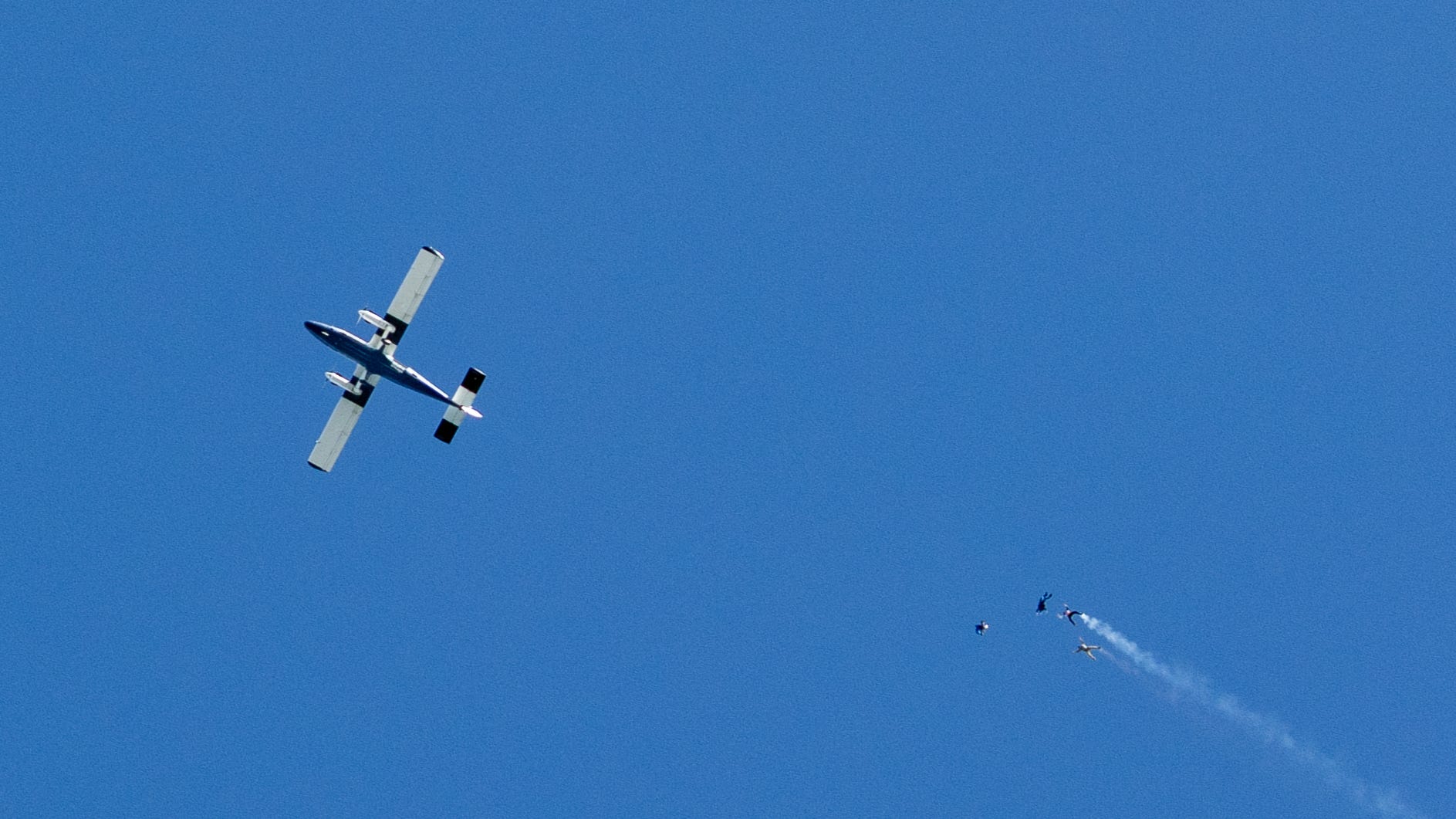
Lookit me, I’m jumping out of an airplane:
We’re going back to the moon.
I’m for real this time. So for real — I wrote it down on a gold plaque for the Emperor:

And our Moon Base will have nuclear powered buggies badder ass than anything China can make!
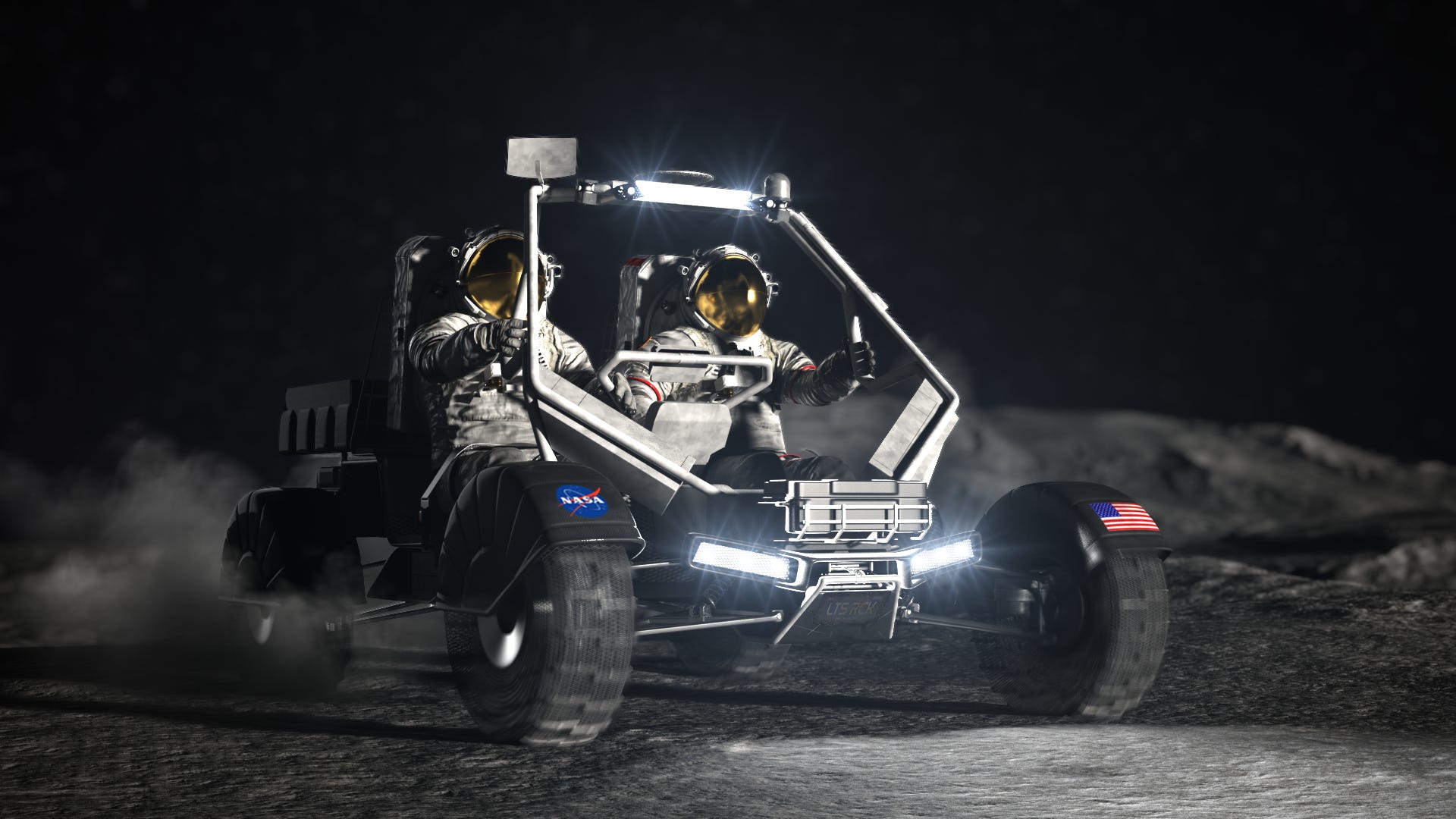
The moon is so back.
The hype went down at the beginning of the month; a couple weeks later we saw something real:
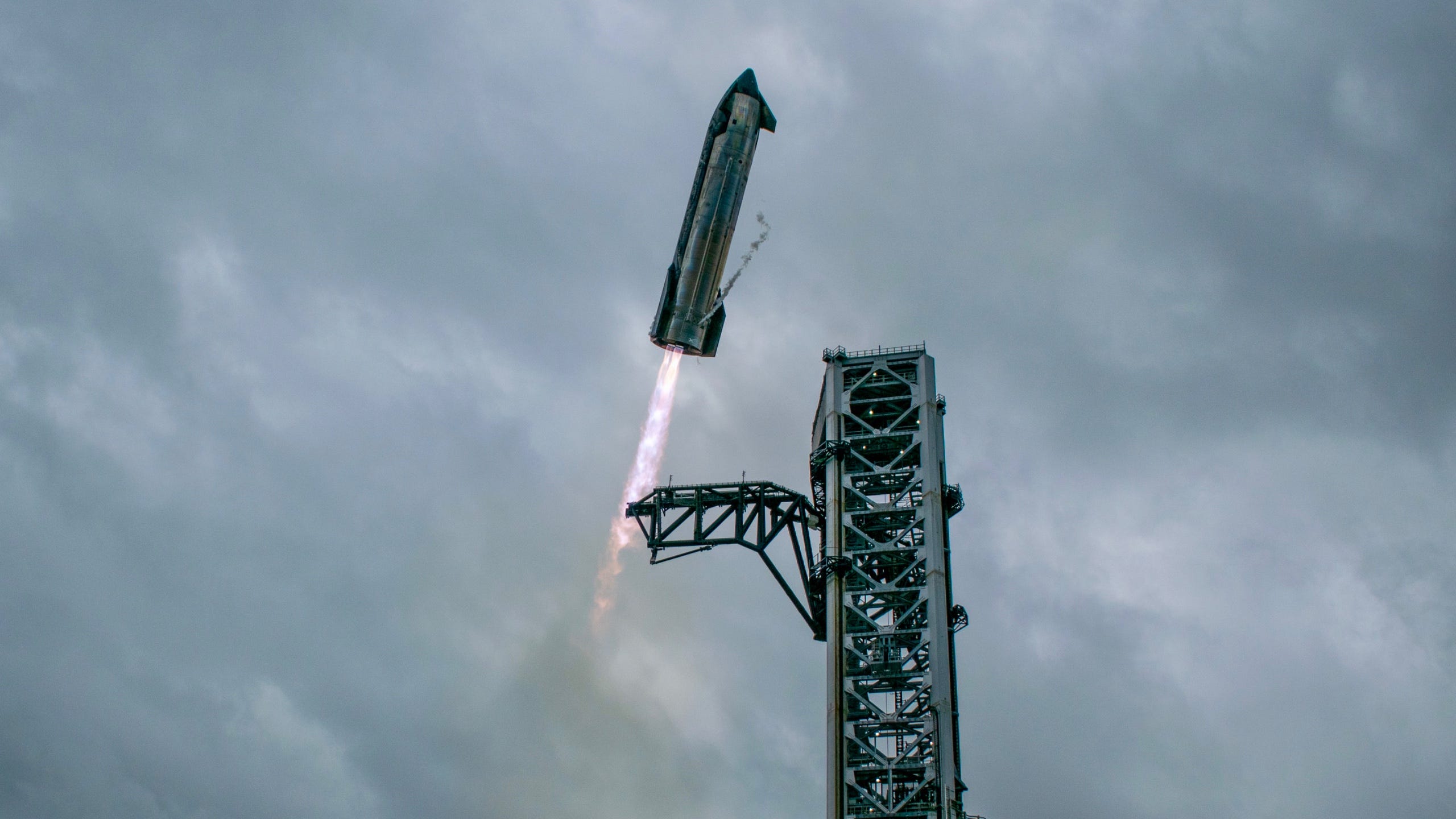
When SpaceX went public a couple months ago, Musk stopped with the colonize Mars talk and started with the I’m-all-about-the-Moon talk.
It’s been 54 years since we last walked on the moon!1
For the right rocket ship, the moon is but a couple days away; Mars takes more like a year and you have to wait over a year for a launch window.
Earlier this year we saw something else real: Jeff Bezos’ New Glenn spaceship went kablooie, decimating their only launchpad.
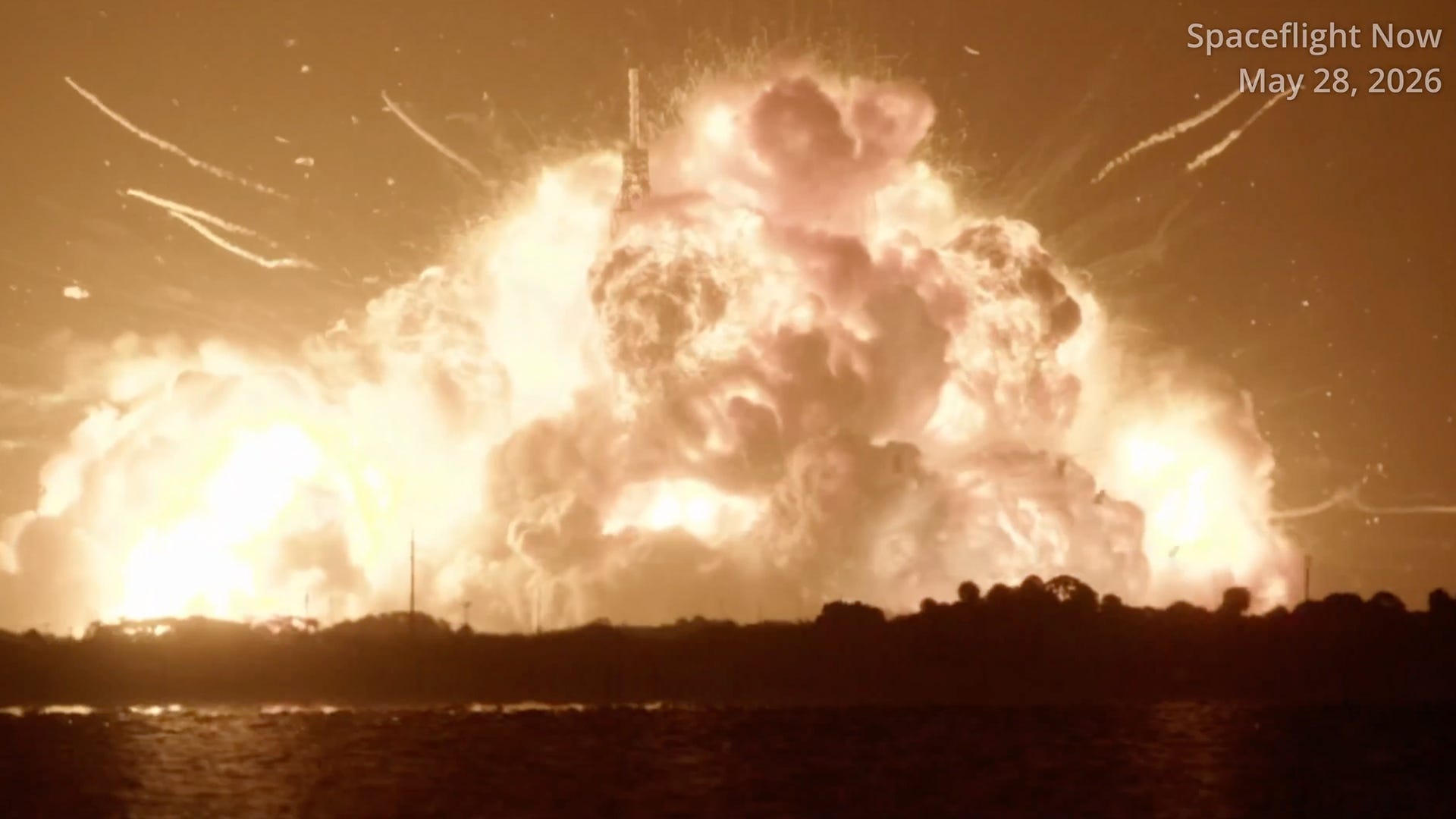
In Space 1999 (the best TV show ever made as 12 year old Andrew would tell you breathlessly), we store nuclear waste on the moon which then blows up, spectacularly jettisoning the Moon Base out of our Solar System at the speed of light.
Back then it seemed so clear we’d be living up on the moon in twenty years. In Space 1999, a new Alien shows up every week and they ride around in cool moon buggies and even cooler spaceships.
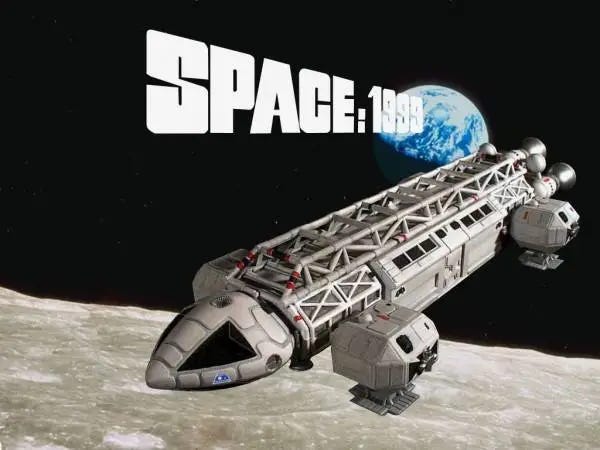
Space 1999 was out in 1977 and it had good company: Star Wars. Close Encounters of the Third Kind.
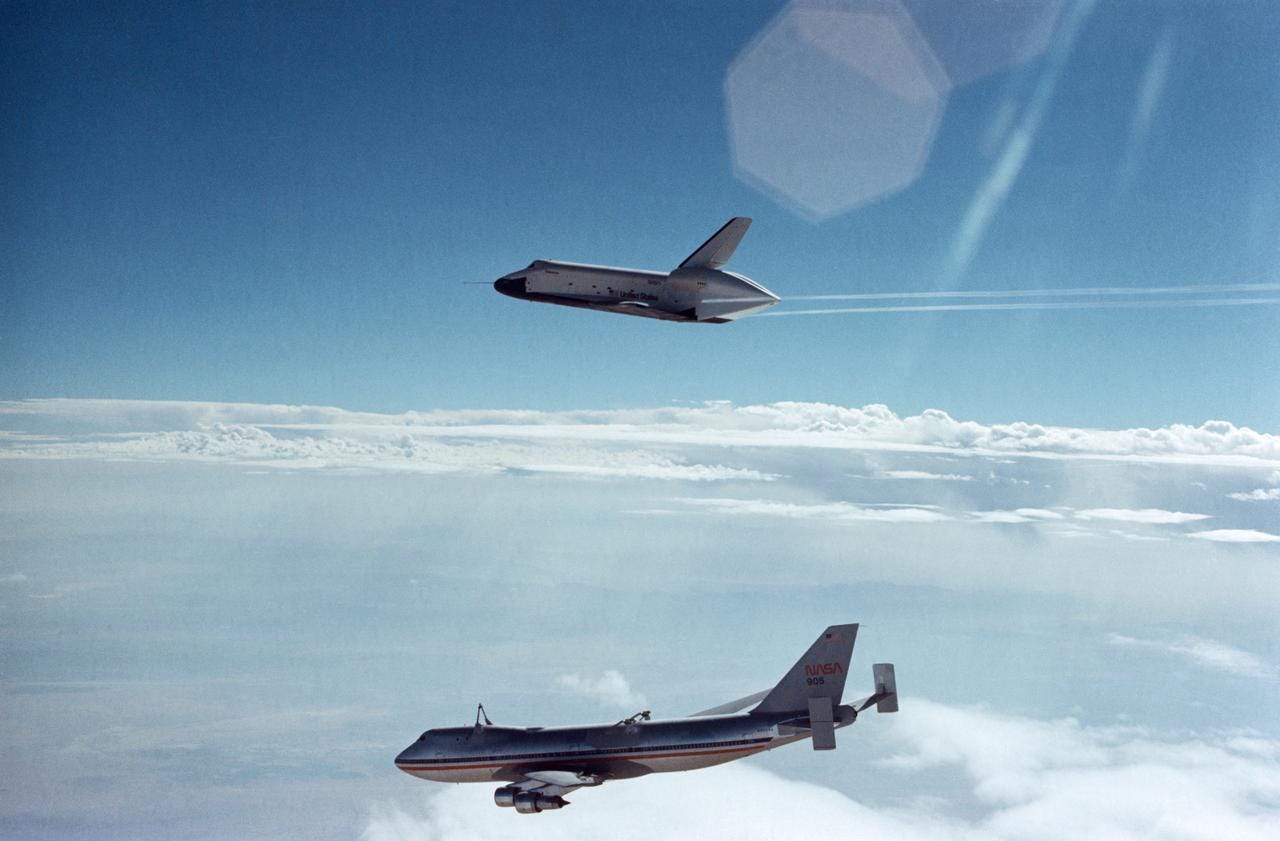
Culture and reality were sympatico. While the Apollo program was done and dusted, NASA was going big on the Space Shuttle and the first one built — aptly named Enterprise — was criss crossing the skies of the nation, bolted on top of a 747 like some kind of crazy transformer.
In school, we rolled out the AV cart and watched it land at Edward’s Air Force Base.
The planets showed up. In a once-every-175-years occurrence, Jupiter, Saturn, Uranus, and Neptune lined up, so a spacecraft could artfully dance by each one, checking them out, and accelerating at every turn.
Voyager 1 and Voyager 2 launched back-to-back in 1977 to take that tour, and just last week Voyager crossed into new territory: it’s 1 light day away from us, 16 Billion miles, outside the solar system, outside the heliosphere, gliding2 through the emptiness of Interstellar space.
Voyager carries the Golden Records inviting the Aliens to come visit us. Back in 1977, I was so enthralled by the whole affair I named my new cat Voyager:

Since the 70’s we’ve gotten a little jaded. The Aliens are likely to kill us all if AI doesn’t do it first. In The Three Body Problem, the aliens come from our closest star system neighbor: Alpha Centauri.
An optimistic group has scrabbled together 15 Million bucks to build a new Voyager to go check out Alpha Centauri. Called the Fermi Explorer3, it will carry the same set of Golden Records.
For a year, the group tried to figure out a path for their modest spaceship to get enough speed to make the long trip. About to give up, they asked AI, and a couple days later it came up with a novel path that’ll open up in 2029.
Philip Johnston, the british physicist behind the venture, is ready to go:
We hope to be both the first to leave and the last to arrive at Alpha Centauri.
At 4+ light years away, the trip could take 80,000 years. If we build that moon base and keep reaching, new tech like AI will help us tackle the biggest problem — approaching the speed of light — and we’ll build faster spaceships that will get there first.
December 1972, Apollo 17 landed Dec. 11. Gene Cernan was the last person on the Moon. No human has been back since.
At 38,000 MPH
After the Fermi Paradox
Discussion about this post