

Who’s #3 in AI? Well, it’s Google and they’re used to being #1. Google created the recipe to index the entire internet and then married it with a novel advertising (AdWords) platform, converting every PC into a turnstile spitting out money for admission to the World Wide Web.
Since the beginning of search engine time — effectively the beginning of the Internet — Google has been #1. While Yahoo took a run at them in the 90s and Microsoft/Bing in the 2000’s, neither was able to eke out more than a few points of market share.
Google makes gobs of money as the undisputed king of search and they’ve continually used that money to try and find new ways to make money. In tech especially, a company that’s a one trick pony does not last. Google has spent a lot buying AI companies and investing in AI research.
Nine years ago, Google published this paper introducing the Transformer architecture that’s behind every single AI product on the market today. Initially Google didn’t know what to do with it. See, it threatened their core search business, which even today accounts for well over half of the money they make.
While you want to find new sources of revenue — thou must not kill the cash cow. While Google fretted about how to integrate AI into search without killing its cow, two new startups broke the AI market open: OpenAI with ChatGPT and Anthropic with Claude.
These new LLMs started taking traffic away from search. I’ll take an answer from AI every time versus the now ugly, ad-ridden search results Google spits out. So a couple of years ago, Google got serious and shipped Gemini not only as a standalone AI product but also integrated into Google Search. They’re still working hard to catch up, so it wasn’t surprising that last week’s Google conference was 99.9% about Gemini.
Every big tech company has an annual conference and it’s an extended PR event to launch new products. Steve Jobs theatrically orchestrated keynotes at Apple’s annual Worldwide Developers Conference would often end with his tagline: “… and one more thing.” In 2007, that was the iPhone reveal.
Microsoft’s annual conference is called Build and it’s next week in San Francisco. Inside of one of these companies, the months leading up to the event are a mad, frenzied dash to make sure your product is ready for this moment. Make it into the show, and that’s the difference between a product or feature that ships versus one that gets shelved.
If you get into the keynote (the kickoff session on day 1), now you’re living large. Google calls their conference I/O.
Half the stuff at these conferences are hype and never ship as shown. If they do ship, they often disappear because the market doesn’t take to them, so I don’t usually pay much attention. However, there were two telling things in this year’s Google IO keynote.
The first was a variant of Steve Jobs “one more thing ….” Google’s CEO is Sundar Pichai and he’s about as exciting as watching your toaster melt cheese. Sundar opened up the show … Gemini, blah, Gemini, blah blah blah, Gemini.
But then, at the very end of the keynote, AI legend Demis Hassabis, CEO of Google DeepMind took the stage.
Demis dropped this line at the end of the keynote:
When we look back at this time, I think we will realize that we were standing in the foothills of the Singularity.
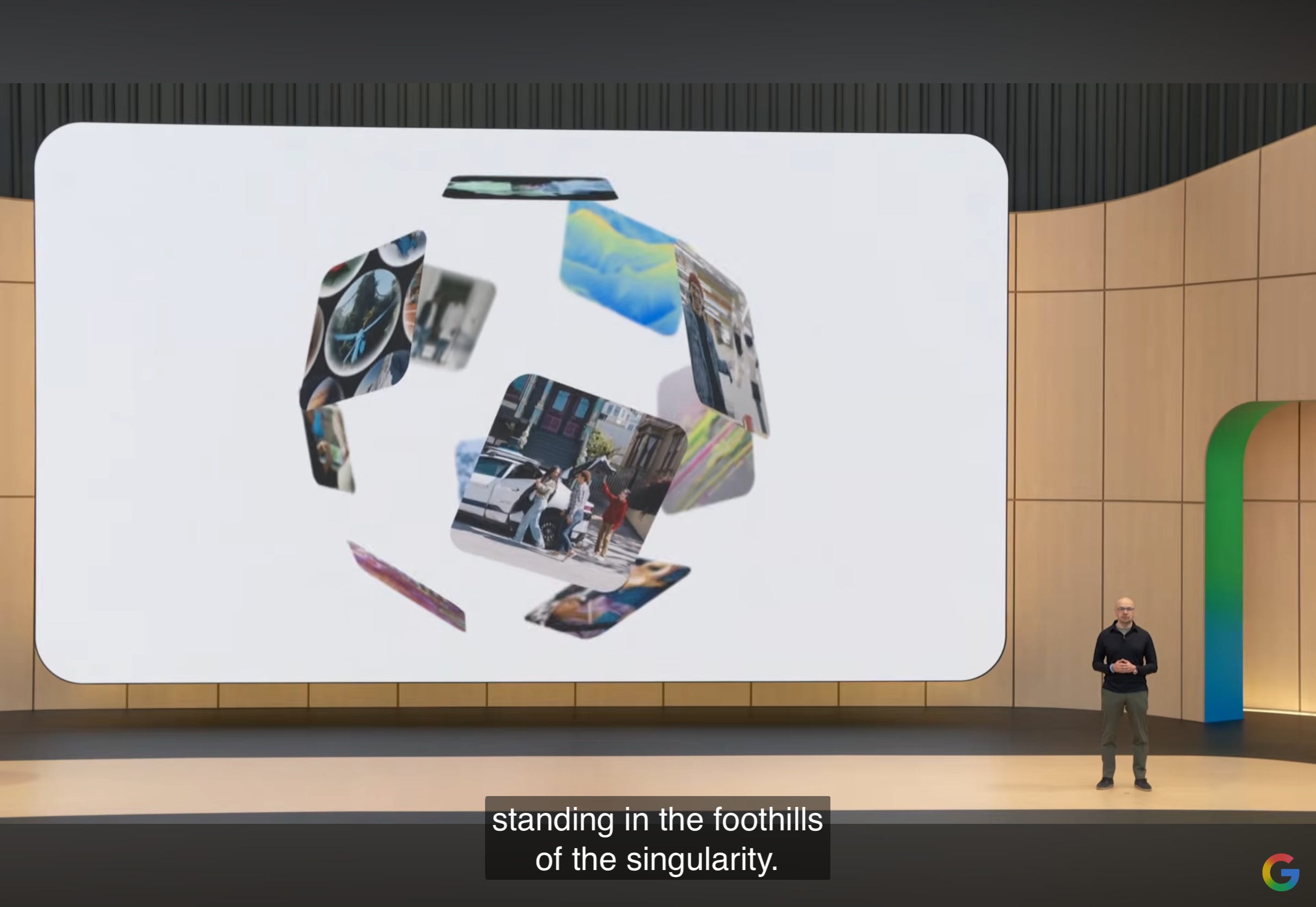
Oh man. With a general public increasingly freaked out by the looming impact of AI on jobs, quality of life, no datacenters in my backyard … your public conference is not the time to hype the approaching moment when the machines get smarter than us.
Read the room, slow your roll.
The second thing was the return of Google Glass:
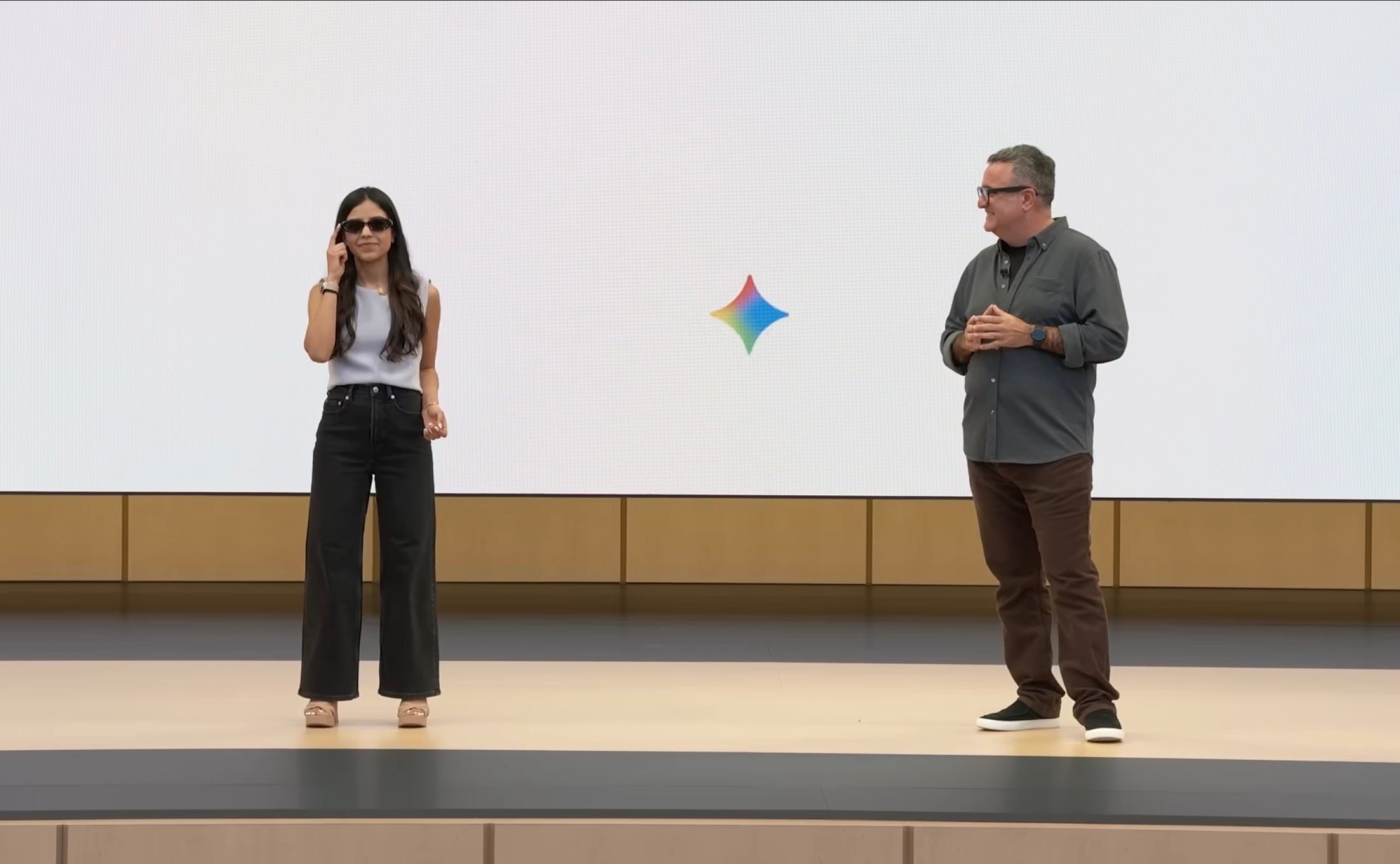
Return of the Glassholes. 14 years ago at this same conference, then Google CEO Sergey Brin dashed onstage in cyborg lenses to orchestrate a dance of socially uncomfortable super freaks.
Fail. Nobody bought those things. Creepy. Not to mention you looked stupid and everybody hated you.
Last week’s demo was notably more pedestrian — literally — the scenario was walking directions and ordering coffee. But this is a niche product at best.
At Meta’s annual conference last year, Mark Zuckerberg attempted a more ambitious demo of their new glasses on the big stage. In all my life I have not seen a live demo fail so comprehensively.
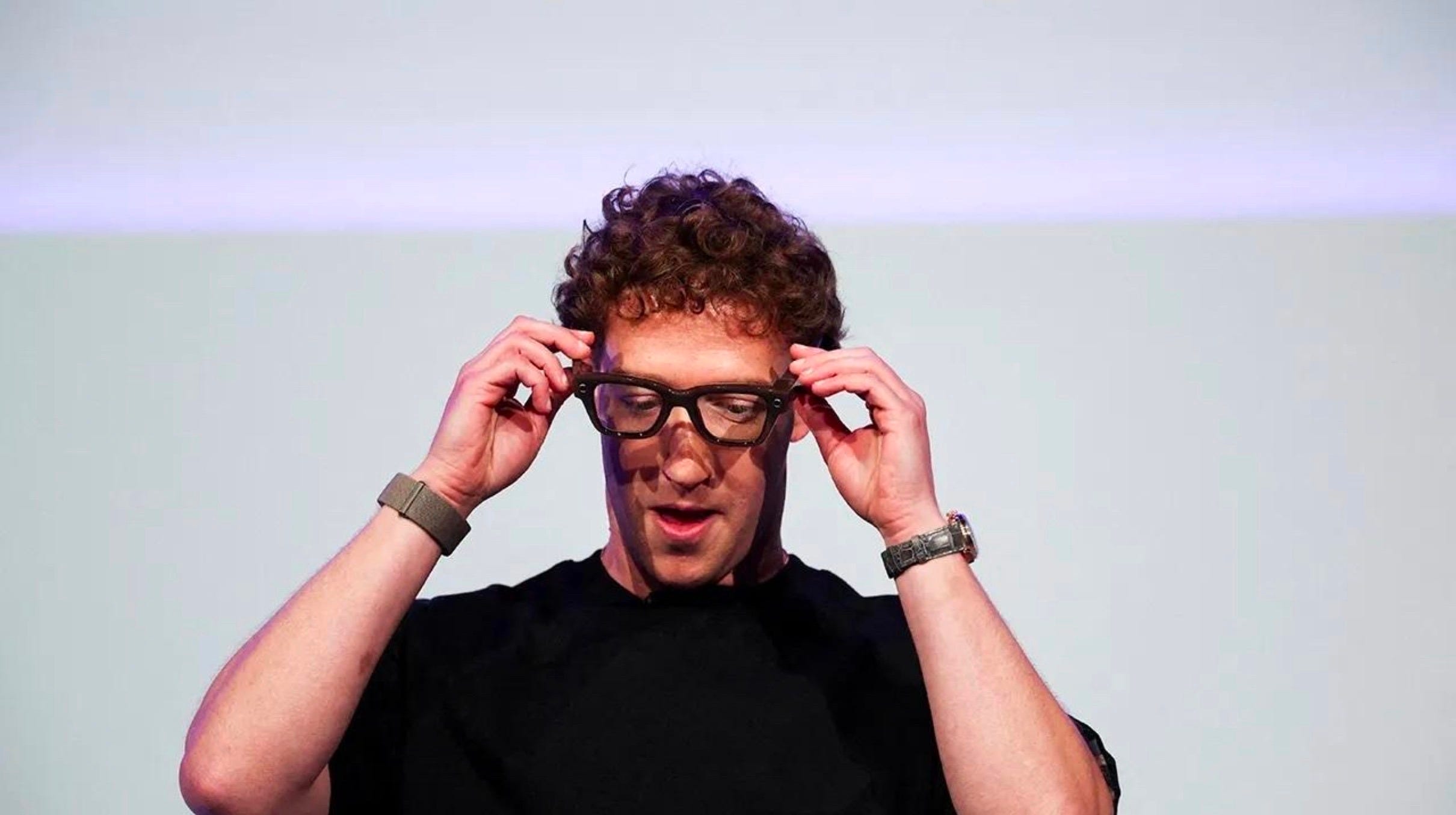
Everyone is searching for the killer AI consumer app / wearable. Chat’s nice but there’s going to be a new thing and nobody has figured it out yet.
It’s not going to be the glasses.
I think watching your toaster melt cheese is way more exciting than watching Sundar. When the toaster is done … you get to eat melted cheese. Love this post, man.
Everything I liked about IT is turning to mush