

When AI burst on the scene a few years ago, there was lots of speculation about how we managed to program computers to replicate our brains before we figured out how to build robots that replicate our bodies.
While the brains keep getting better, we’re still a loooong way from general purpose robots.
And it’s backwards because we figured out how our hands (and the rest of the moving parts of our bodies) worked a long time ago, while we still can’t explain how our brains work today.
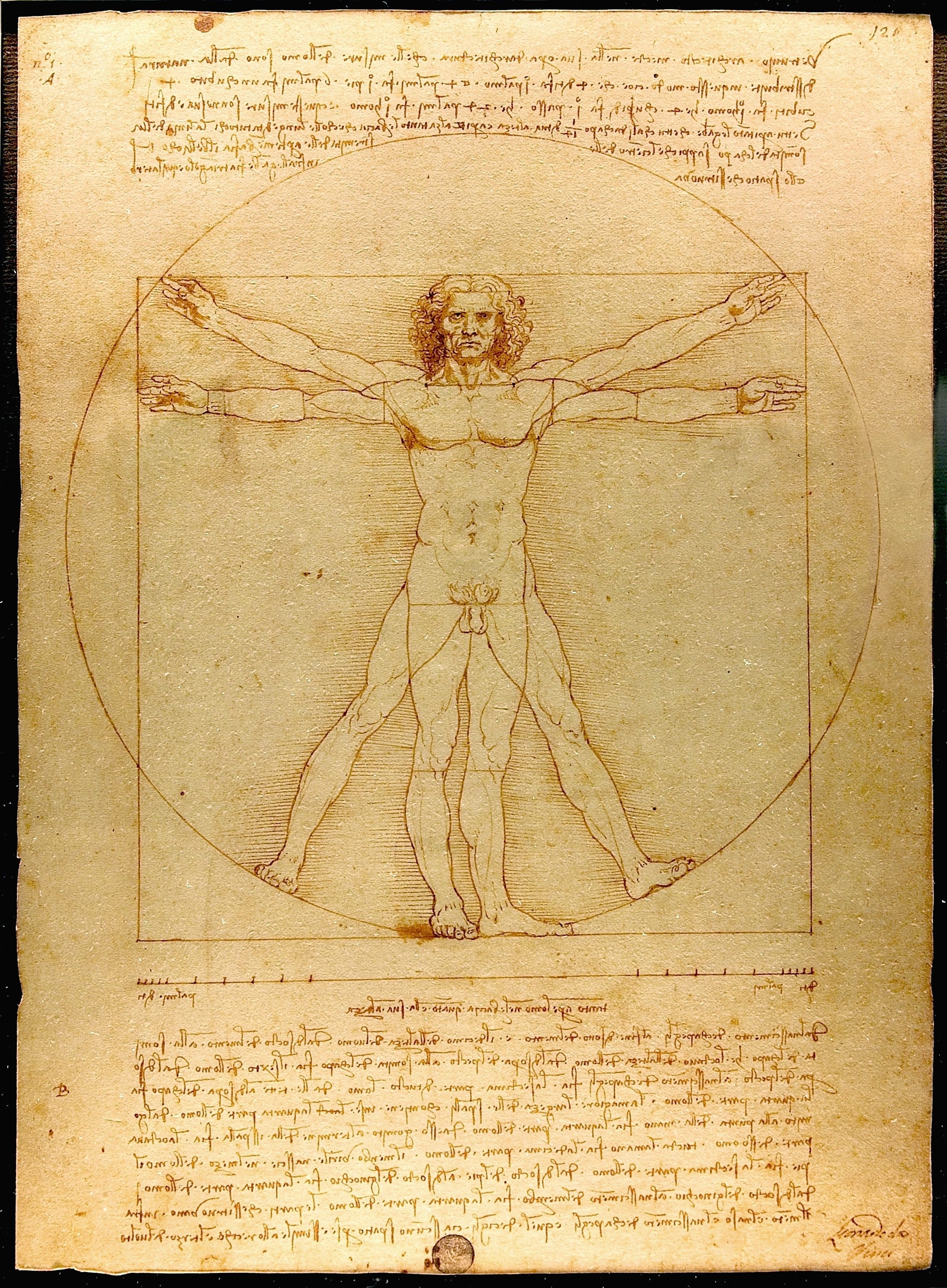
Creating software is in many ways easier than hardware so maybe it’s not so surprising, especially when you consider how complex for example our hands are. 1
The brain tells our body what to do: now AI trains the robots. This video from startup Tacta2 shows a human hand teaching a robot hand how to screw:
Tacta’s glove records every movement building datasets to train the robots as they try to build robot hands as dexterous as ours.
Tacta is focused on manufacturing. Since Henry Ford invented the assembly line, machines have been lining up to help. Manufacturing robots started showing up in the 1950s and production automation has been ramping up ever since.
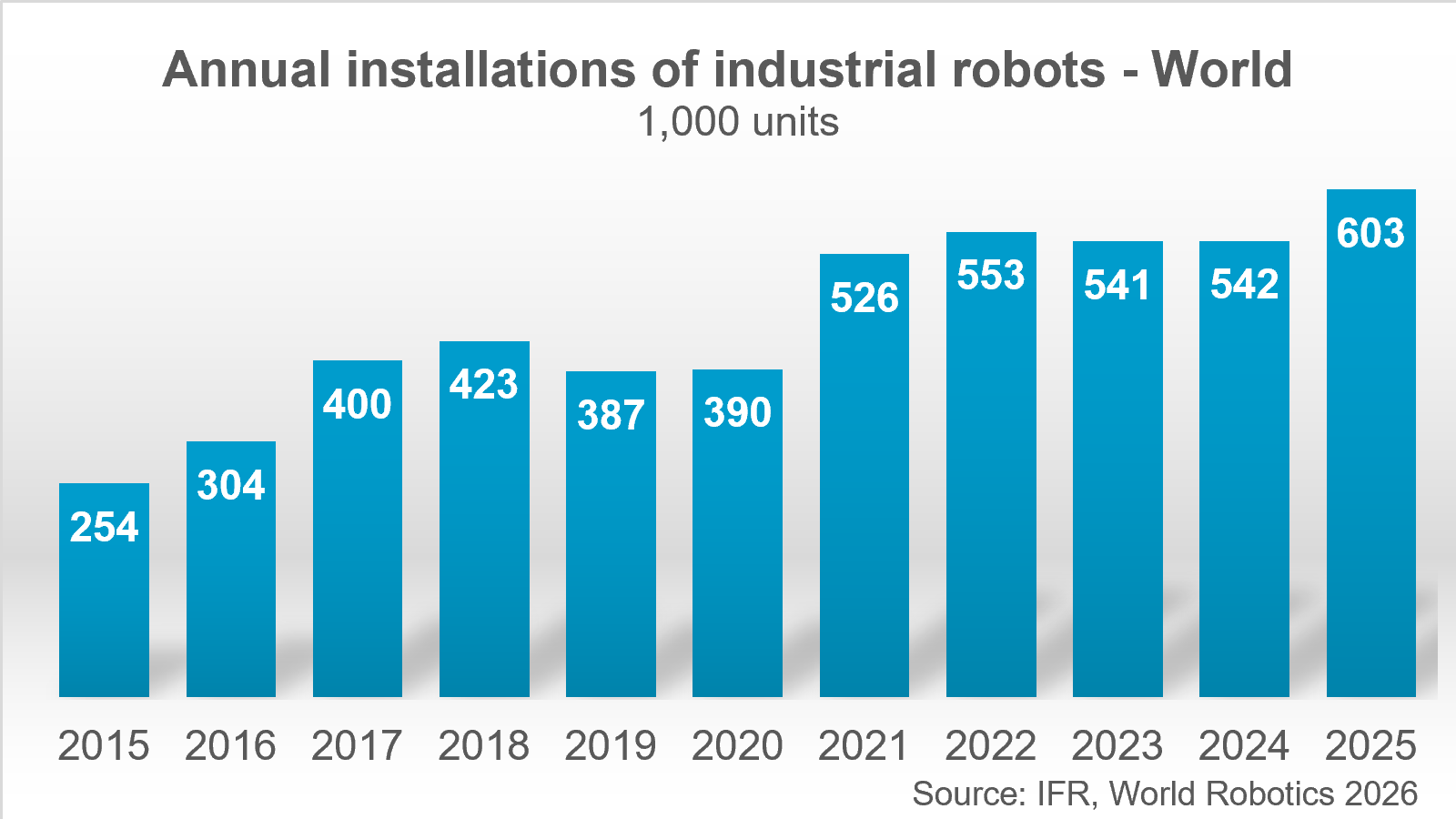
We’ve got over 5 million robots building stuff for us now (double the number 7 years ago).
On the assembly line you control every detail of the working space and process. But the home front is a radically different proposition dictated by intentional variability, not standards.
Every home is different — often dramatically — and that’s how we like it.
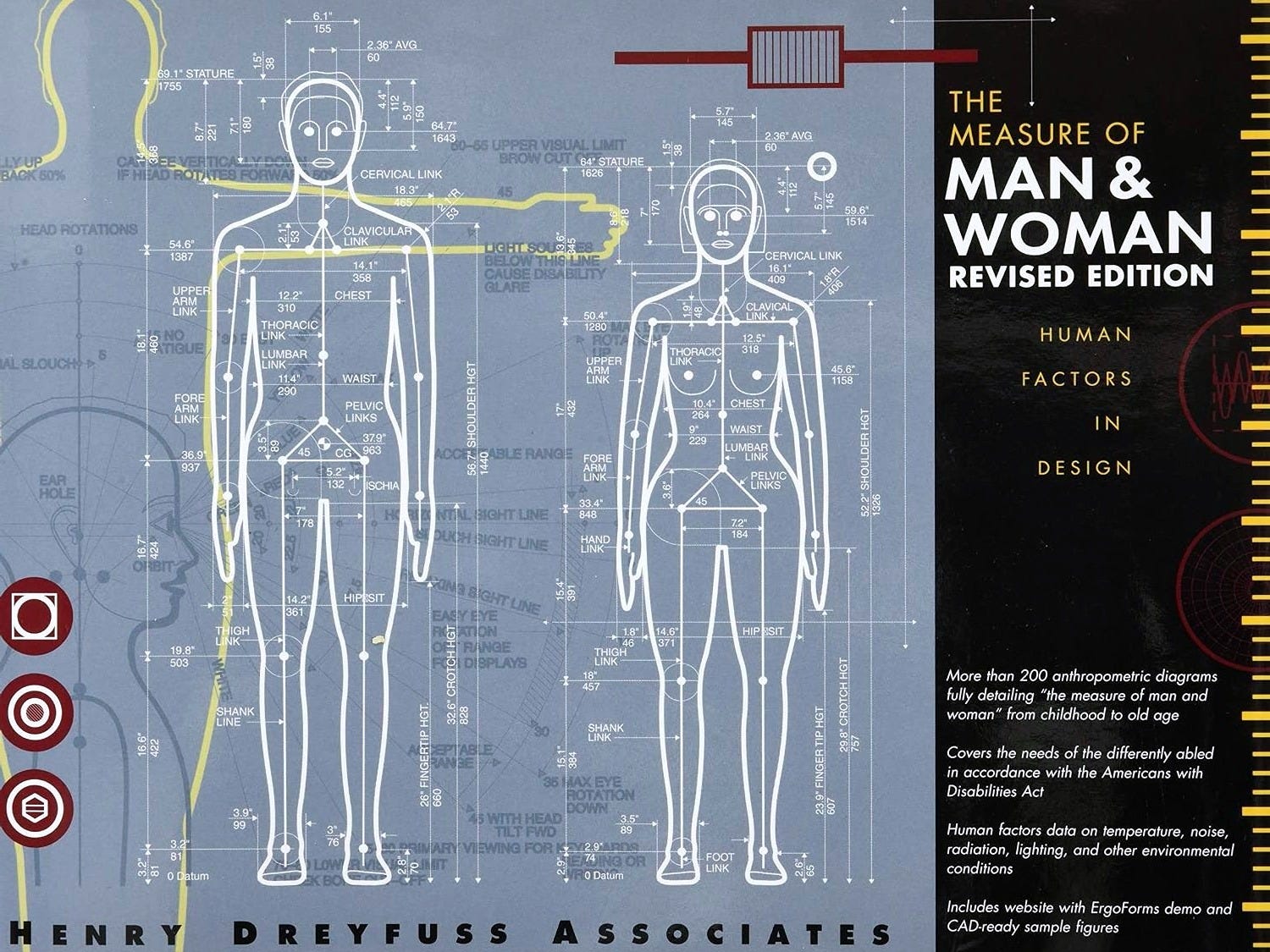
Post WWII, user-centric design and customization took off in the US, with Henry Dreyfuss and his design agency leading the way. They created standard human models that they named Joe and Josephine, carefully measuring every aspect of the human body, and applying it to everything we use in our homes and offices.
Bell Labs hired Henry’s agency to create a telephone for the home — endpoints for a new switching network that no longer required manual boards staffed with operators. Dreyfuss’ telephones would become the most widely used products of the 20th century.
For decades, the model 500 was just what a telephone looked like and Bell made 93 million of them.
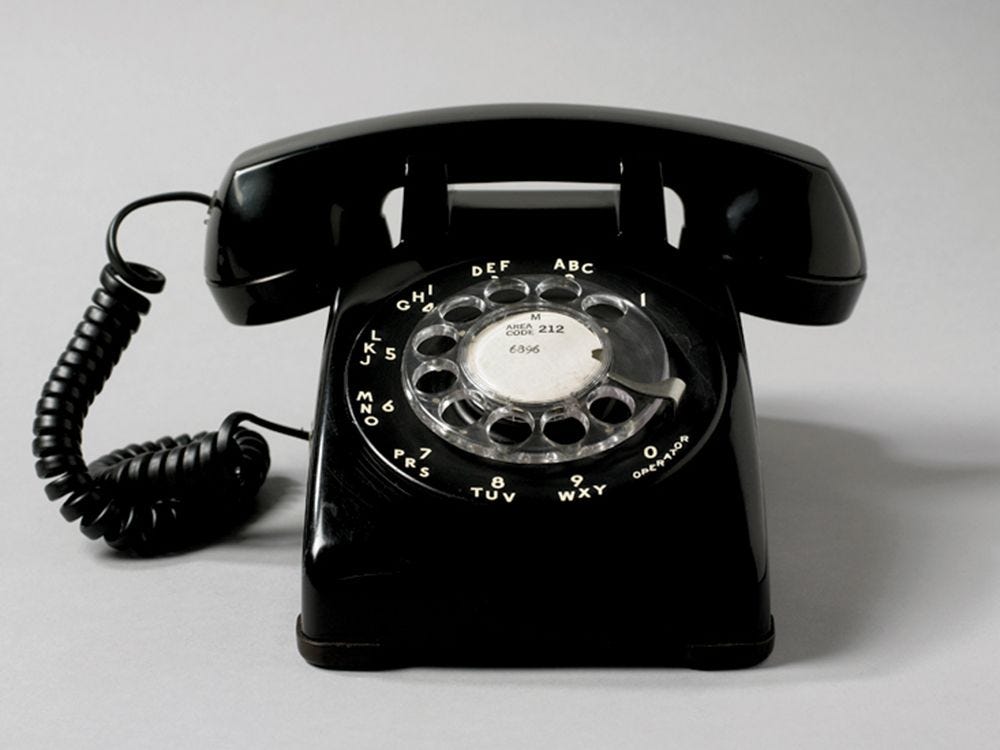
If you’re under forty you’ve never known the visceral joy of ‘dialing’ someone.3 At first the numbers were labeled under each hole so the model 500 added a bevel outside the ring so you could quickly find and dial the next number.4
Ma Bell measured it — you could dial nearly a second faster in the updated design of the 500.
My parents’ number was 876-6429.
Higher numbers like 8 took longer to dial than say the 2. Finger in hole, rotate clockwise until you hit the curved metal finger stop and then let go. In the earpiece you hear each rotary click as the dial spins back to where it started — an electric disruption counted out each number. For our number, the 2 at the end was satisfyingly short, a precursor to the final long digit 9 at the end like a period.
Then … a few seconds of waiting … and the other line starts to ring.
Our 500 sat in the corner of our kitchen in the center of my mom’s desk.
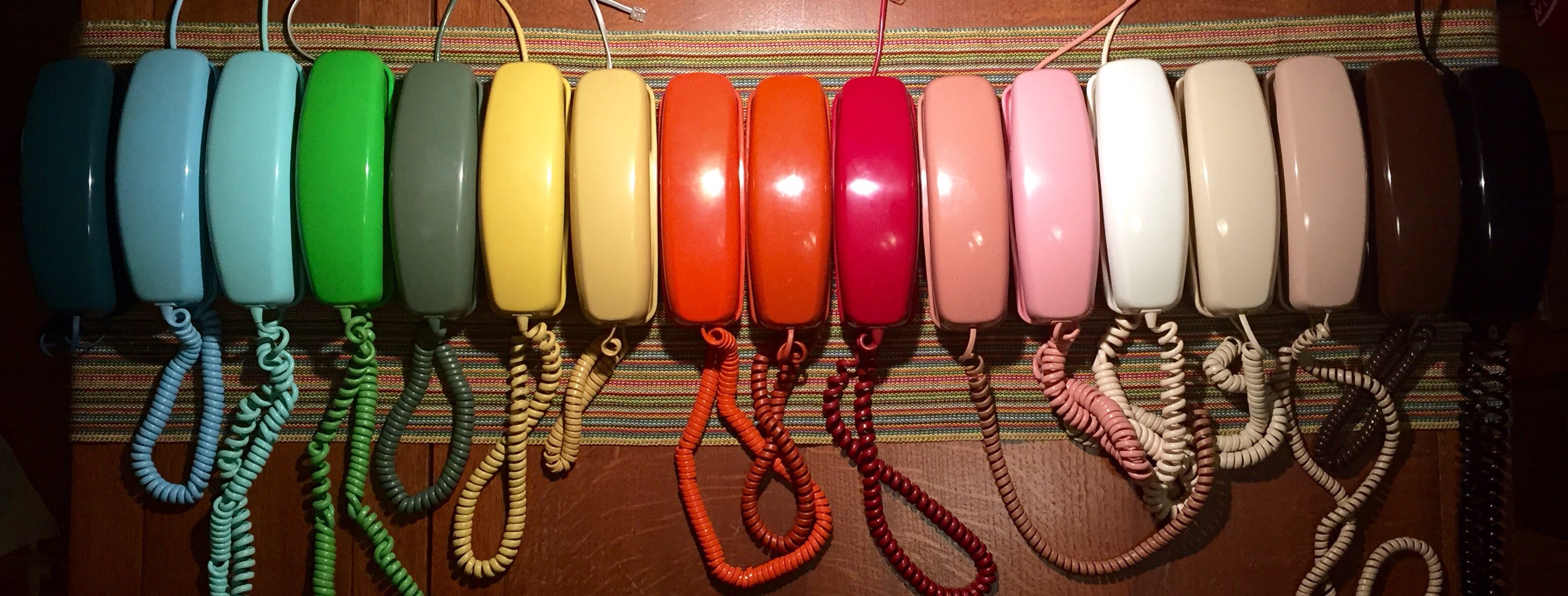
It was turquoise.

I was six when we moved into that house. Going house hunting on the weekends was exciting. There was the one with a Koi pond in the back. There was the one with a treehouse, and the one with a spiral staircase.
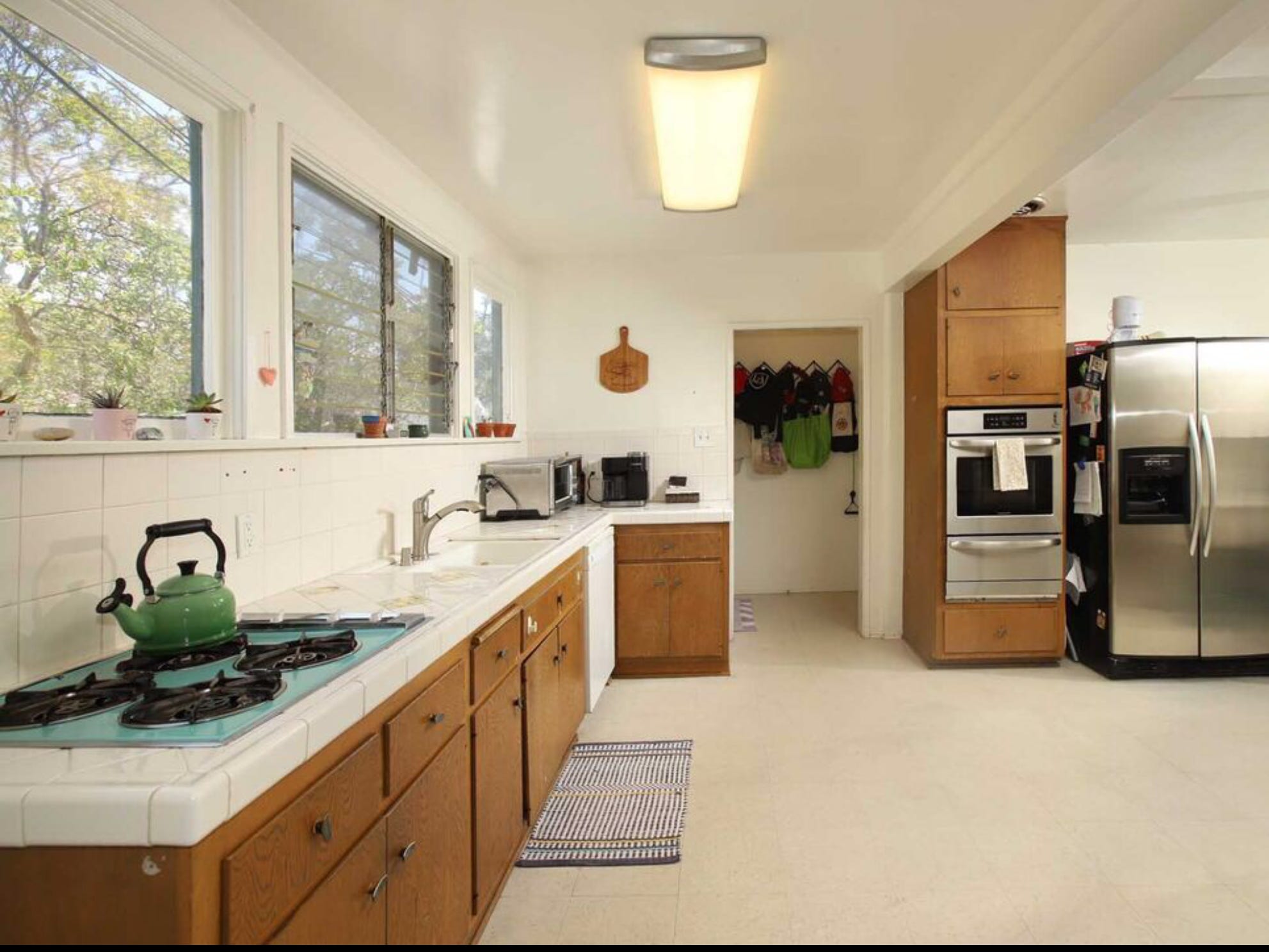
While my parents looked for different things, we were all smitten with the one with a turquoise kitchen.
That’s the one we bought and the kitchen was massive — we lived in that room. The stove was turquoise and so was the oven. We needed a new fridge — we got it painted turquoise. We got a new phone — a model 500 — again turquoise.
My parents were proud of our turquoise kitchen.
That house saw me through high school and I came back every summer. After I graduated I moved back on and off. After my parents died, we sold the house and the stove was the only turquoise left standing.5
In my teens, I really got into photography and I cobbled together a darkroom in the basement under a big trap door in the far corner of that cavernous kitchen. I’d take the bus down to the big photography store on Sunset Blvd for paper and chemicals and stay for hours reading books on photography and font families and design.
Design is a part of building websites that I really like. I started a new project this week, and I’m tweaking font pairings, color palettes and button styles.
I play (mostly) with software, not hardware, but regardless it’s always about the people. When robots show up in our houses and offices, making them humanoid to match our bodies is the only way they’ll be functional in our spaces.
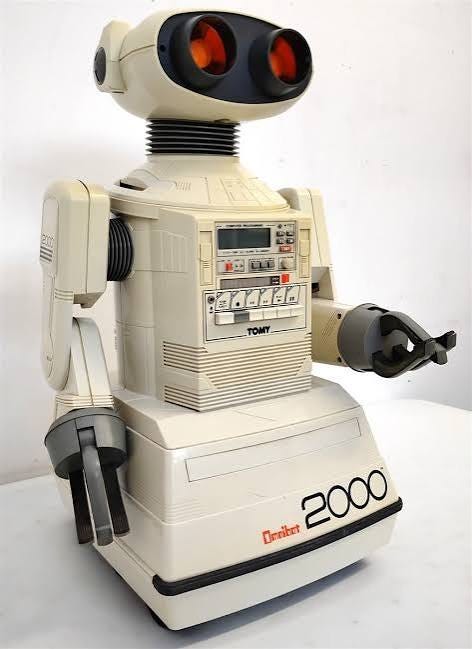
Up until now, the only scale robots that have made it in our houses are vacuum cleaners. Long live roomba! 6 Roomba and its ilk carefully map out the paths in your house, learning the floor plan as it cleans.
One job.
General purpose household robots will have it tougher. They’ll need to navigate the complicated spaces that live above the floor — drawers, counters, tables, chairs, rugs, coffee machines, clutter — all with infinite variability designed around the particulars of our bodies.
We started measuring our bodies to design the things that surround us, now we measure what our bodies do so machines can do the same.
That rotary phone with the poking and the turning and the picking out of the next hole required some fine motor skills. Looking at my kitchen today it seems a lot simpler.
So I can see a robot hanging out there. Sous-chef, dishwasher, barista, trash taker-outer. Maybe in around ten years?
But only if they come in turquoise.
If you’re curious about why building LLMs proved easier than training robots, here’s a timely article from Brian Potter and Construction Physics. Spoiler: while we had gobs of text/image/video data online to train LLMs; there is no physical world equivalent.

Gotta friend that works there
By the eighties, pushbutton phones replaced rotary dialing. The dialpad was 3 columns x 4 rows and each number produced a dual tone - one for the row and one for the column (DTMF).
It also rounded the shape of the handset so you could cradle it between your ear and shoulder for handsfree talking.
I drove by the house the last time I was in LA and remodeling was in full swing. I’m sure it’s all stainless steel now.
iRobot (makers of Roomba) went bankrupt at the end of last year and were acquired by Chinese manufacturer Picea Robotics in January.