

Last week was spring break in Sonoma County. Much to the amusement of my career teacher wife, teaching high school is wearing me out and I welcomed the break.

My students were pretty excited for a break too, but now we’re back at the grind.
On Monday, I get to school a few minutes early: open up the classroom, unlock the laptop vault and connect my laptop up to the big screen.
We have to get the coding project for the AP Exam done this week. I have two more units yet to cover plus review and exam prep.
We’re short on time and I‘m herding cats. Teenage cats.
The first bell rings and one of my seniors wanders in with a pizza box. Fifth period is right after lunch. I don’t know what this kid does during lunch but apparently eating is not it. In addition to bringing his lunch, this kid brings a welcome dose of seriousness to the senior slacker table. He’s worried about grades. We talk.
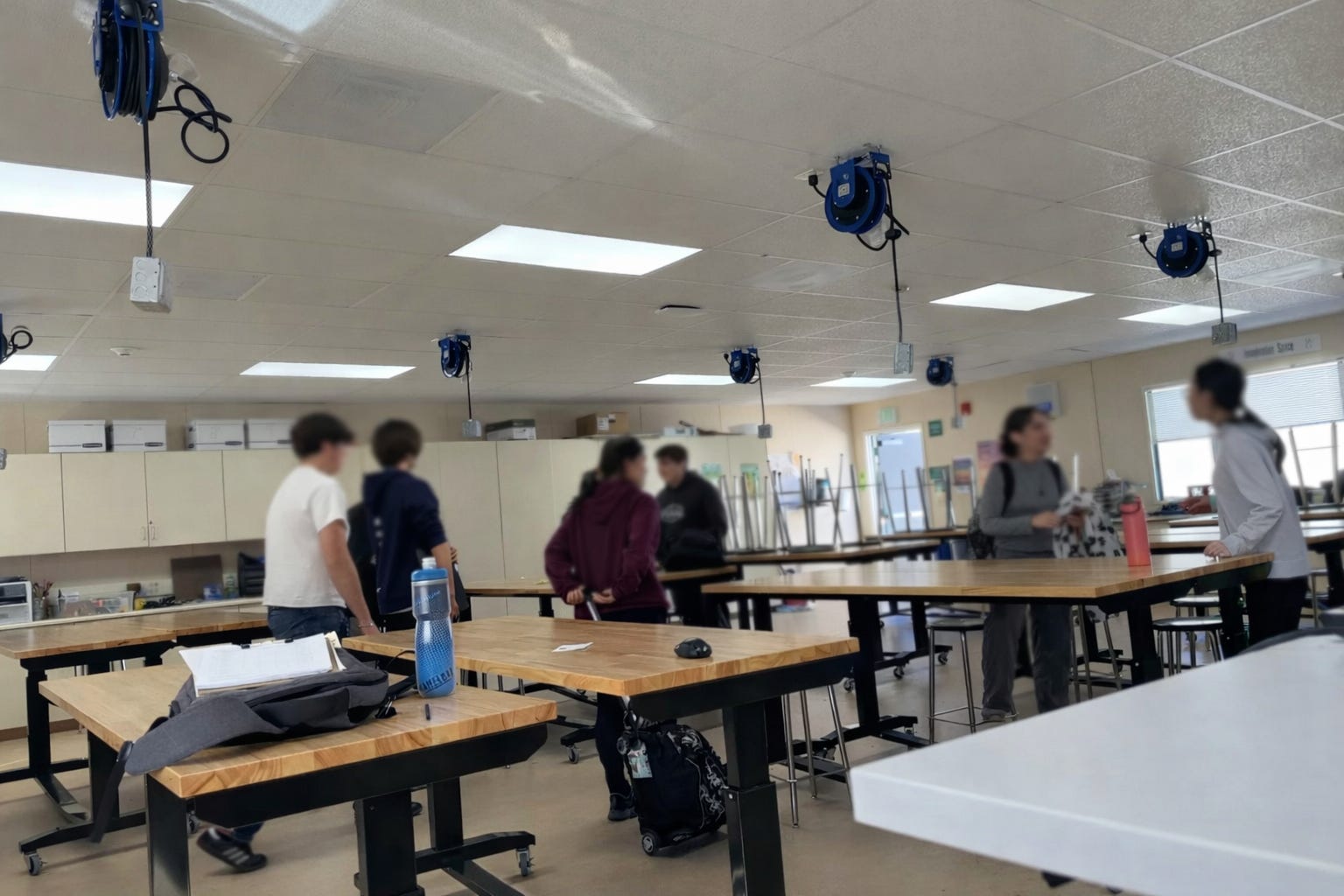
The rest of the kids straggle in; chatting, grabbing laptops from the vault, settling in with their table tribes. My class is in South Campus and it’s a long walk here.
I mentally take roll — everyone’s here but one kid and he’s a superstar (coding the NYT’s Wordle game by hand for his project) so I’m not worried about him falling behind.
I go through slides covering online project submittal. It’s a lot: full project code, a video showing the program working and a set of key code blocks.
The senior table is increasingly distracted by the pizza. Talk of sharing gets louder. It’s pepperoni and it smells good. I’m fine with the pizza but don’t talk while I’m talking so I stop until they close their laptops and their mouths.
A kid wanders in late, and sits with his head down on the desk. He finished his code before the break so I let it go.
I get through most of my spiel before I start losing them. One of my 10th grader’s who looks continually lost starts with the BIG yawns. For directions like this, their attention span is even shorter than normal, so I cut it short and tell them to get to work.
I circle through the class, checking in with each of them. I have three girls and they sit right up front — a 10th, 11th and 12th grader. They shelter together across grades, avoiding the chaos around them. They’re consistently my strongest group and keep me on my toes.
I make my way over to the solo-table loner in the far corner. While he barely makes eye contact with me and hates group work; he’s generally on it.
Next, the junior table. After the senior table, they’re the loudest because they play the games as they build them. One of these kids is on Varsity Baseball so he’s missed a few classes, but he show’s me this marvelous geometry run game he’s building, so all good.
That leaves the table between the girls and the seniors. A mixed group and perhaps my favorite table. This is where the kid who came in late and immediately put his head down is at and now we’re going on 30 minutes into a 50 minute period.
I tap him on the shoulder — “you ok?”
No response.
The kid next to him — super smart, startlingly tall and easily distracted — asks me to look over his code. All of a sudden, zombie child raises his head — staring up at me with bleary eyes. He has been asleep. Like deep asleep. He apologizes and says he’s really tired. But he assures me he’s on track to get his project done, so I move on.
He puts his head down on the table and goes back to sleep.
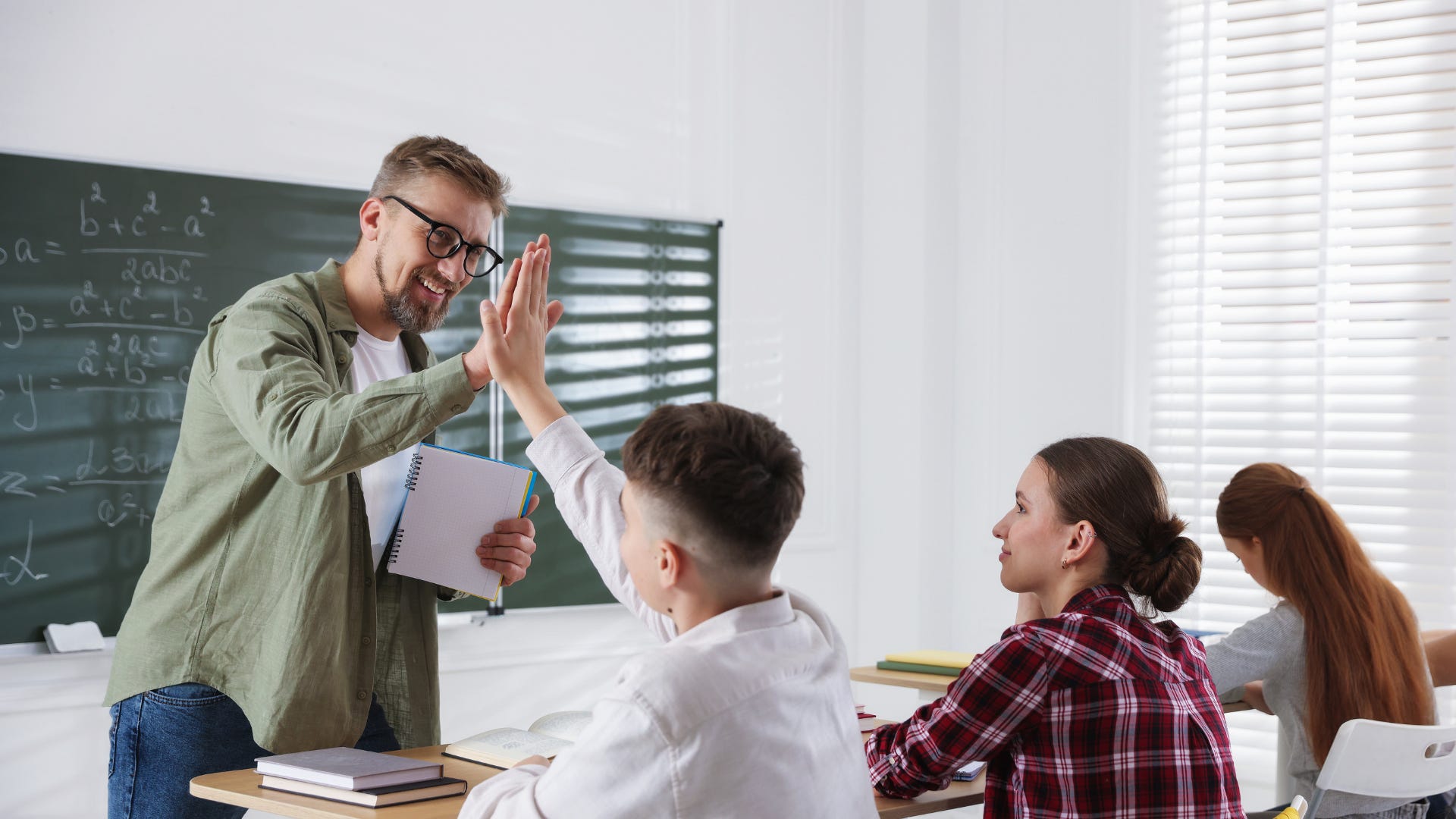
What was I thinking? I thought it’d be fun teaching kids about computers.
But teenagers are another species.
The stereotype on GenZ is their brains are busted from the internets. Addicted to their phones, endlessly scrolling through TikTok’s. Digital natives sure, but ones without the ability to stay on task.
It’s not like that.
The teenage brain releases melatonin later than adults so they stay up too late.
Impulse control isn’t quite there yet. Their frontal lobe is still developing, so their plastic brains are more susceptible to social context, rewards, novelty, emotion.
They’re also highly capable when sufficiently motivated.
On Wednesday I throw out the slides and kick off class with a Kahoot quiz!1 The class gets into it. Super tall kid wins, answering every question right.
Streak 🔥!
JFran has Hershey’s Kisses so I top off the candy bag with those and throw in a bunch of spider-man tattoos (leftovers from my 60th bday party). I hand them out liberally to everyone who get’s their project uploaded.
The senior table is really into cubing. I got on them early to lose the cubes and the phones and FOCUS. But before spring break, I asked one explain it to me. The whole table gets in on the conversation. They find solve algorithms online and compete for time.
One of the seniors was lost when it came to the coding project until we came up with an idea for a cube solver and he excitedly shows me he got it working.
Another kid wrote a build-a-burger app in Python including drawing all the layers after the order. ASCII art. =^.^=
They’re all smart.
AI isn’t on the AP test. Weird right? It’s only the most important innovation in Computer Science in 10 years.
But after the test is over we’ll have some fun with it — I’m going to turn these kids into wizards.
Then it’ll be Summer; we’re already planning the van trips.
But I’ll miss the kids.
Online game site and app with leaderboards, animal avatars, etc.
Sounds like it has been a positive experience for all involved. Excellent!
Love how you love those kids and how you are rooting for them. How lucky for them to have this time with you.