

It was a long walk to the baseball dads. I clomped down the metal bleachers, cut past the dugout, the warmup mound, then the lonely walk all the way down the line. You had to hit a ball 200 feet to get it over the right field fence — 209 to be precise, at least that’s what the faded banner on the fence said. Turning diagonally left past the fence, now I was in gopher territory, the manicured field yielding to scrub and dry grass.
Twenty more feet up the hill was a clearing for the scoreboard — I’d arrived at little league baseball mafia headquarters.
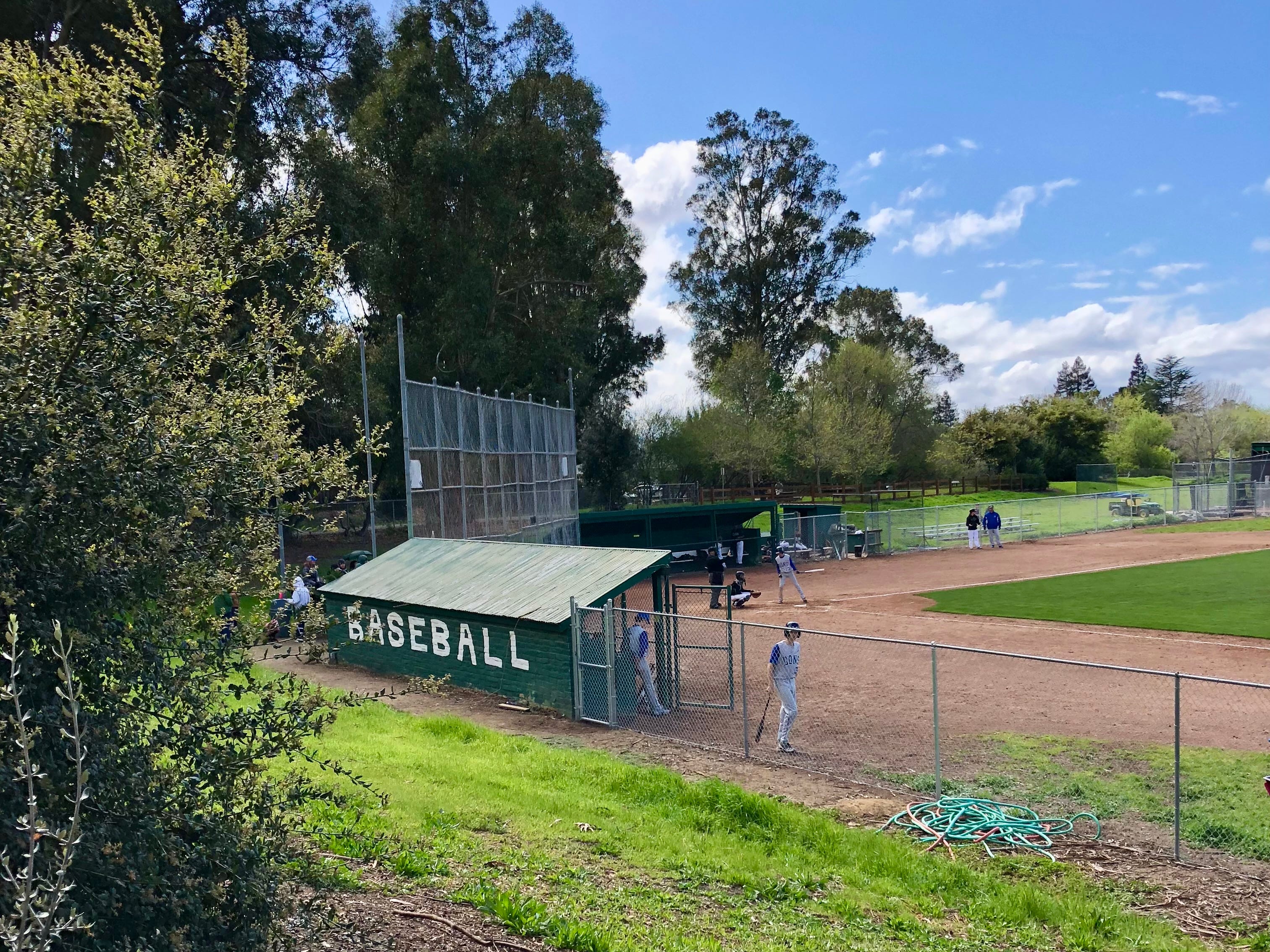
The mafia saw me coming. They perched in camp chairs, a cooler of beer tucked in the back, slinging stats, talking positions, critiquing every kid taking batting practice. They were the Little League kingmakers.
I got a head nod and joined them, leaning up against the scoreboard post. I wasn’t a real baseball dad — I peaked in Little League and I didn’t play in high school. Some of these guys had even played college, but regardless of when they stopped playing, they yearned to recapture that glory through their kids — even if it meant crushing the spirits of half the 10 year olds in town.
I didn’t want to be here, but right now my kid lived for baseball and I was here for him. While I didn’t know the game like these guys, I knew the game — and to play it you needed mafia alliances.
I remember that pure joy of baseball — I too was all in at 10. I also remember the first time I crowded around the bulletin board with the rest of my team, trying to find our names on the list of batting averages.
That’s the day joy lurched towards competition.
I started out my career in the public sector where career progression is a table. What are you going to make next year? Just check the salary scale — every year you move down another row, and if you improve your skills via education or certification, you also move right across the columns — each one bumps your salary up a little bit.
Very predictable, possibly boring.
When I jumped to the private sector — whoa, different game. Not only do base salary ranges become hard to find, a lot of variables are thrown in — bonuses, stock, levels and bands for each role.
The game gets complicated, also interesting.
As an individual contributor (IC or not a manager), I went through the motions and I usually did ok. 1 The compensation playbook at big companies revolves around a formal end-of-year review process, hopefully with at least one mid-year check-in.
This system evolved over my career. The infamous Stack Ranking system was in play when I started at Microsoft. Every manager had to arrange their people in a pyramid. Behind closed doors, every manager faced the same question: If you had to pick one employee to be marooned on a desert island with you, who would it be?
That’s the top of the stack.
Rewards are disproportionately allocated; this is intentional. The formula: allocate most of your budget to your top performers — keep them happy and motivated. The bottom, well while this isn’t outwardly stated — you want them to leave.
This is called ‘good’ attrition.
At the time I didn’t really know or care much about the behind closed doors stuff, but you can imagine it’s a subject of much speculation and discussion. Unlike the Salary Scale in public sector where you know what your cubicle mate is making, discussing your annual rewards with someone else is a fireable offense.
After 15 years on the receiving end, I became a manager.
Microsoft had now evolved from Stack Ranking to a revamped review system positioned as kinder and less combative. This was something Microsoft’s new CEO Satya Nadella implemented. The annual reviews were rebranded as “Connects” and they were built around a mental model called Growth Mindset to encourage collaboration.
Same incentives, different names. But this time I was the one behind the curtain. Scale HR systems seem very programmatic in execution, until you get behind closed doors where managers duke it out, fighting over a fixed budget to reward their teams.
That’s the annual Calibration meeting. It’s where the polished veneer of process peels away — these are a manager battle royale. What weapons do you bring to those meetings?
Baseball Cards.
Yep. Honestly I did a double take when my VP asked me to put these together for the annual calibration meeting with all his directs. One slide stat sheet per employee highlighting their impact for the year. Each Baseball Card represented why your players deserved a piece of the bonus pie. Each manager presented their team. Of course my team was the all-star team! Here I was in my element — no slouching against the scoreboard — I fought like hell for everyone on my team.
There's always a game. The mafia's waiting at the scoreboard, calibration will be opaque and behind closed doors and you'll get made into a baseball card. If you're going to play — figure out the rules, so you don’t get played.
Except that one time I’d had manager roulette for the whole year and the guy who ended up doing my review knew nothing about my work and didn’t seem to care so I had to escalate to HR and my new manager and in retrospect that was a big old mess — but also a blip in a 20 year run.
Just read a book you might like: “The Score” by C. Thi Nguyen. Best thing I’ve read in years and directly relevant here.
I wrote a post about this "negotiation" process. We had manager's training where we had to duke it out with the other managers about our "employees."
Our team failed completely. They got absorbed into finding some "objective" formula to rank people. There is no such thing, of course.