

The Advanced Placement (AP) Test results came out Monday and I’m so curious to know how my class did.
I know my students have been waiting for (and possibly dreading) this day.
When I took over the class back in February, I was so, so, naive. I knew I was going in blind, so the first day I walked into that classroom I was ready with two things: first, a list of questions/ice breakers and second, a written assessment for each student to complete.
No ice was broken that first day. High School kids don’t want to speak out in a group, nor do they even want to raise their hands for a poll. While I’d soon make progress on both of these fronts, on that first day I faced a bunch of teenagers staring at me blankly (or worse, at their phone under the table).
One question got their attention:
“Who’s planning on taking the AP test?”
Around half the class shot their hands up, followed by an unsolicited outcry of complaints about how they weren’t ready, they had learned nothing, they weren’t going to take it just to fail, choice comments about the prior teacher, etc.
Sign up for an AP class, you take the test. Do it for college credit, but more importantly, it strengthens your app, showing colleges you’re motivated by and capable of college level curriculum.
The second thing I brought — the assessment — was mainly to gauge what they had learned so far, but at the end I threw in a set of qualitative questions like “What are you worried about?” and “What’s your confidence level from 1-5.”
Every single kid was worried about the test and just one kid — who it turned out had taken some JC programming courses already — put their confidence at a three. Most kids put down two; a lot put down one, gotta few zeros.
I collected the assessments and looked them over before I left. I told the class that IF I signed up to be their teacher — every single one of them would be confident walking into that test; I’d make sure they were ready.
In my head I was already figuring out how to get them back on track; of course I took on the class.
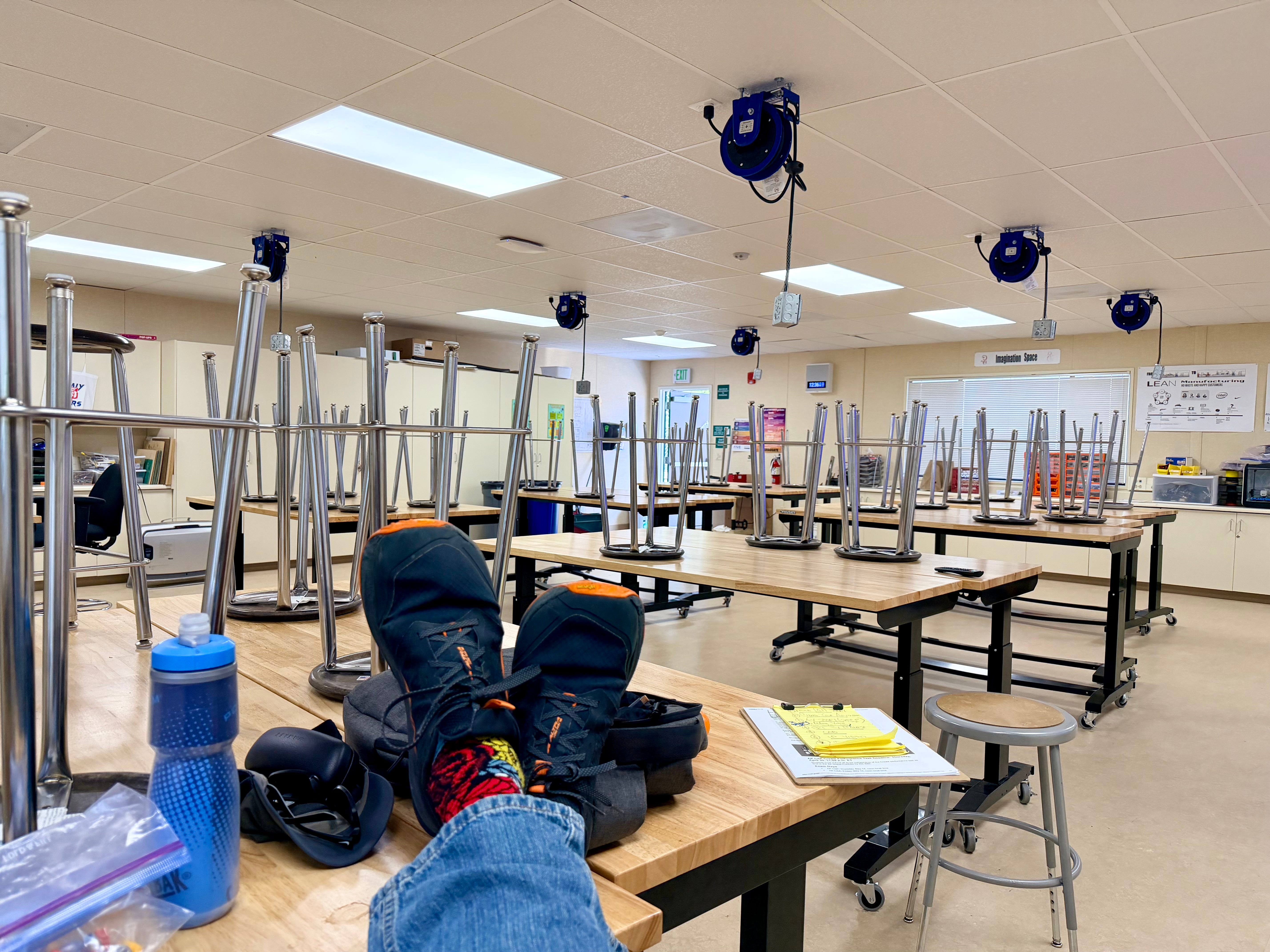
I structured everything I taught with the shared, singular goal of passing the test. To keep them focused, I kept a running countdown on the whiteboard: days left before the AP test.
I’d never taught High School before, never mind an AP course with its rigidly defined curriculum. I tried to learn it all. What were the critical elements of the course, what were the deadlines, how did grading work, what tools were available to me?
Covering a year’s worth of material in three months was a challenge I was up for, but my teenagers had other plans.
I’ve taught loads of adults going way back to when I was in my 20s, freelance teaching adult school PC classes.
But High School is different.
High School carries a romance wrapped up in memories, propped up by yearbooks and colored in by teen movies full of lovable nerds, mockable jocks, mean girls, principals doing the right thing and teachers who are always there for the kids.
It’s not quite like that.
I quickly learned I couldn’t talk — heck I couldn’t do any one thing (unless it was a test and then they begged for more time) — for more than 10 minutes. Longer than 10 minutes and I’d lose them.
There I am — up there at the board getting excited, waving my hands and telling stories, going through concepts and problems looking back to see if they’re getting it, when some kid raises his hand.
Full eye contact.
I get excited.
“Yes, you have a question?”
“Can I go to the bathroom?”
And I fell for it — Every. Single. Time.
As they got comfortable with me, some kids would occasionally ask a real question. But they were often poorly articulated and by the time I figured out what they were asking, I’d lost half the class.
Wednesdays and Fridays were 90 minute marathons. I needed to structure my lesson plan as 9 interconnected mini-classes. I got better at this as I went: lecture, video, hands-on coding, classwork (gotta be graded or else they won’t do it), group work, Kahoot! quizzes (with prizes), human stories, visualizations, etc.
High school kids have a lot going on. I give them total grace here. I don’t know what’s up with their home life, the high school drama they’re dealing with, or how much sleep they got the night before. They each juggle at least six classes apiece across a schedule I never fully figured out. I had a couple kids on the baseball team and they’d regularly miss class or have to leave early. Most days a paper would arrive from the office pulling some kid out for an appointment or club.
Perhaps that’s why they were so awful at due dates and assignments?
I’d walk the room while they were coding and most of the kids talked to me and showing me what they were working on and we’d talk about it. Then there were the quiet ones who didn’t ask for help.
I made a mistake trusting the quiet ones.
AP CSP is an outlier in that you have to submit a coding project a month before the written exam. The project is worth 30% of your score. The class was behind, so my initial focus was getting that coding project done and submitted. My first month with the class was all about the project and once every kid had completed it, I moved on.
I had three more units to cover.
Then, the official AP submission date for the coding project snuck up. One day, the school’s AP administrator showed up in my class with a list of kids who hadn’t submitted their project online yet and it was 1/3 of the class!
When we were at T-minus a few days, that list was down to 3 kids. All the quiet ones.
I gave the rest of the class a programming assignment, and I pulled those three kids out and sat them together at the table right in front of me. They did not appreciate the attention. One kid was just being lazy and hadn’t gone through the submission steps. One kid was nearly done and just needed a little push.
But the last kid was spiraling. He had created an elaborate choose-your-adventure game with nearly 300 lines of code. For context, the cleanest submissions were at most 50 lines of code.
This poor kid was staying up late every night working on it but he just kept thinking of new scenarios and adding them with no end in sight. And it was full of bugs. He was freaked out. He freaked me out. We debugged it together in class, reviewed the rubric, talked about KISS (Keep it Simple …), and I made him pinky promise to prune it down and just focus on getting it in. The school had a random off day coming up, so I wouldn’t see him again before it was due.
The bell rang. Watching him walk out the door, I had zero confidence he would get it in on time. Without the coding project, there’s just no way you’re passing the test. I checked online the night before it was due — he still hadn’t submitted it.
But when I checked the next morning, he had gotten it in just under the wire with only minutes to spare. Fistbump the next time i saw him.
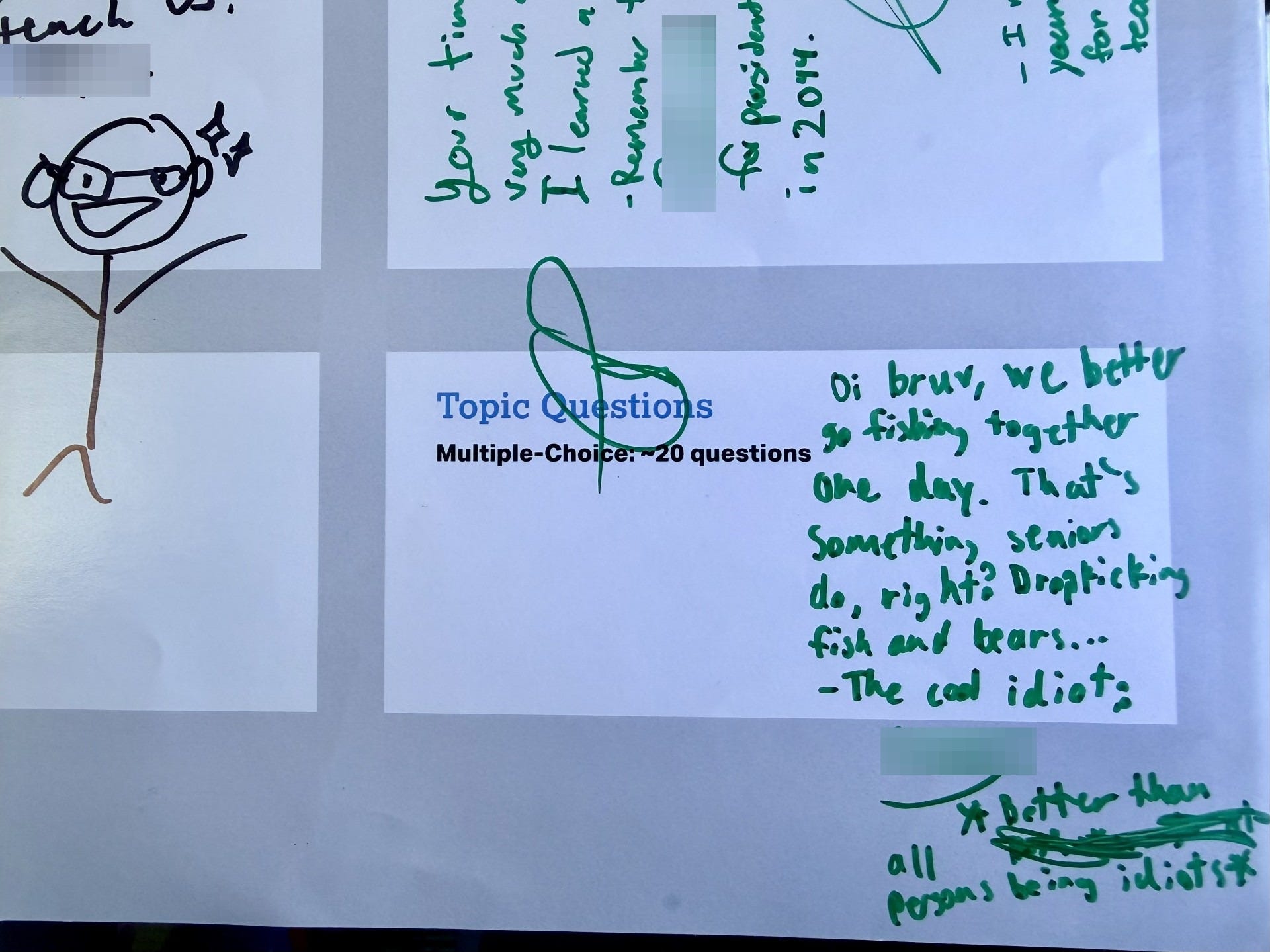
On my last day with the class, I pulled the AP curriculum poster down off the whiteboard where I’d pinned it and they all signed it for me.
He wrote:
Oi bruv, we better go fishing together one day.
That’s something seniors do, right?
Dropkicking fish and bears …
— The cool idiot
* better than all persons being idiots *
Another assumption I made — good High School, small AP class equals motivated kids. Incorrect.
At first I was determined to bring every kid along, but gradually I realized some just wouldn’t do the work. One kid — and he was smart just like every other kid in that room — never turned in an assignment.
He showed up early one day and I had a talk with him and he promised to turn stuff in.
He did not turn anything in.
And it’s not like they were malicious. Every single kid in that class — even the most annoying ones that I yelled at, or continually tried to play me — they were all good natured. I’ll never know why that kid didn’t do the work, because I know he was capable and I know he was curious.
The day after the test I brought in boxes of donuts. As they stuffed their faces we did a little test de-brief.
How’d it go?
Every kid told me something similar: I was clutch and the GOAT and I saved them and that they passed the test. Even that kid that didn’t do any work was supremely confident. And I want to believe it — they all showed a remarkable ability to synthesize and learn the material and if the homework and class tests weren’t motivation, the AP Test sure was.
So how’d my kids actually do? I don’t know.
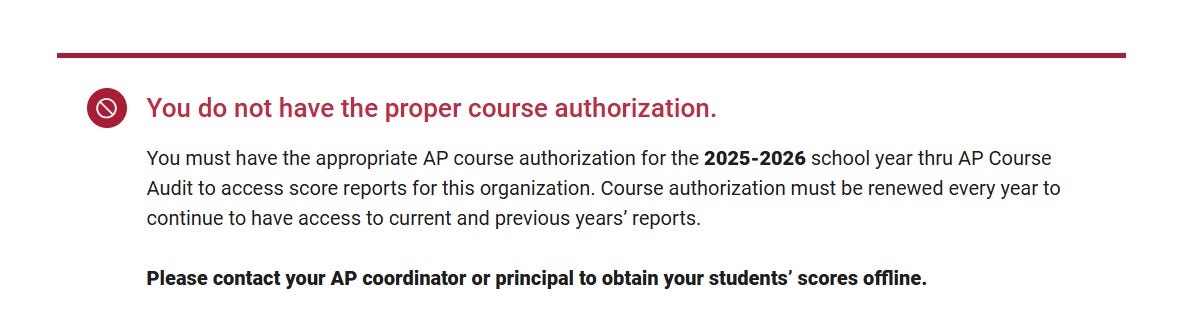
Getting an account to access the college board website as a sub was hard. Getting an account to review my kids project submissions was stupid hard.1 Getting an account to see my test scores is impossible and it’s summer and my schools AP coordinator is out.
While I don’t know how my kids did, instead, thanks to the College Board, I know how everyone else’s kids did:
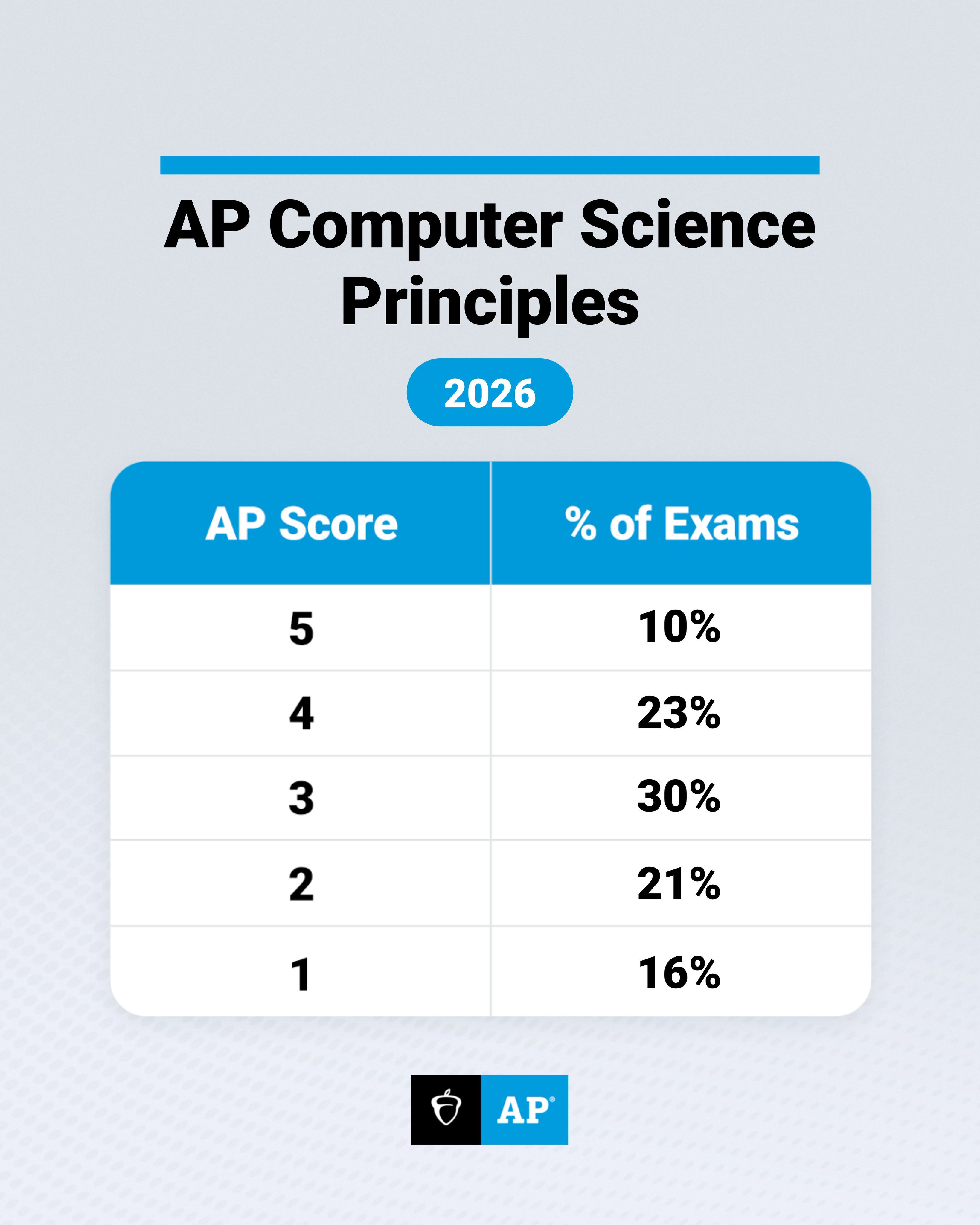
163,000 kids is around a 7% drop from last year, which is the first significant drop in this course in nearly a decade. My anecdotal conclusion is kids are correlating the rise of AI and the doomer headlines and concluding a career in Computer Science is not where it’s at.
As an academic discipline, Computer Science is a young 60 years old versus subjects like Physics (400 years), Calculus (350), and Chemistry (250). While all of those are pretty static, AI shows us that CS is far from done.
I’m still surprised how my little hobby has blown up across nearly every aspect of society and with AI, the rate of change is increasing. A lot of what I taught these kids for the test wasn’t so different from what I learned in my programming classes 40 years ago.
To make it real, we talked about AI — a lot. They had questions: was it using all the water, would programmers still have jobs, what even was ChatGPT?
AI is excluded from the AP curriculum. You’re not allowed to use it for coursework or coding.
So when I got this email announcing a course revamp around AI I was excited:
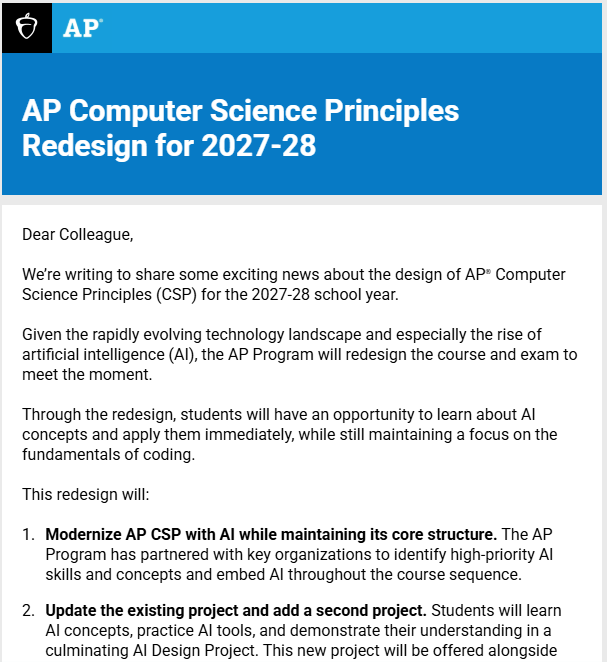
But this is two years away. With 17 million high school kids in the US, this stuff is slow to change. Who knows what AI will look like in two years.
My school isn’t offering any Computer Science classes next year. But it doesn’t take an entire year to understand how AI works — what it’s good for, what it’s not. It’s not magic.
Eventually, the school’s AP administrator will come back to the office and I’ll find out how my class did, but I do know how one of my best students did.
On Monday, the day the test scores came out, I got an email from her. She was excited to report she got a FIVE!
Let’s call her June and she’s all kinds of awesome. June’s coding project was a build-a-burger ASCII art app which inspired my AI demo app to introduce a post-test AI vibe coding unit.
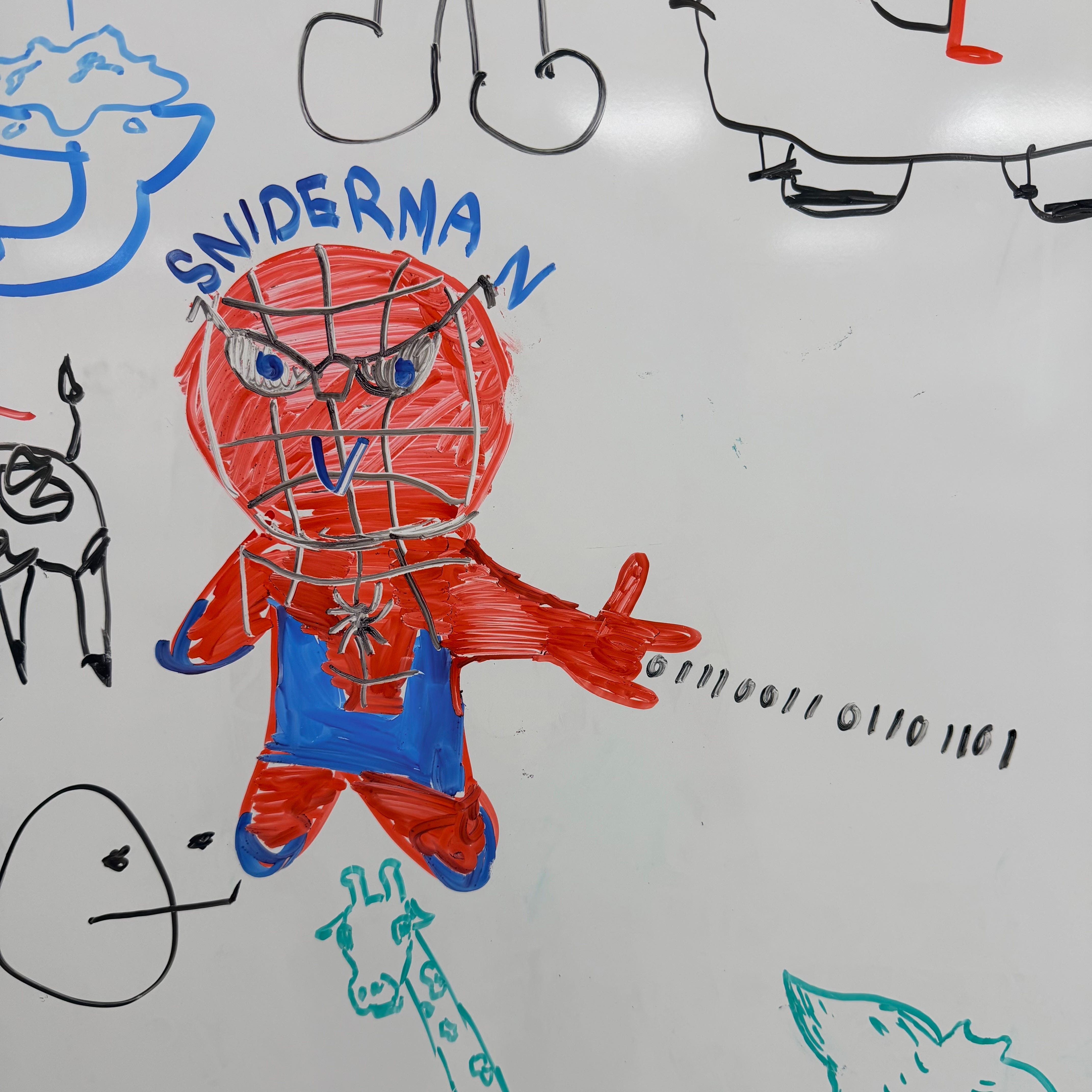
On my last day of teaching, we just sat around and talked. Even though it was optional (not graded) most of the kids built something with AI. On that last day, a few kids were still building, so I was there to help, but mostly I let them do whatever they wanted. June was done, and she asked if they could play volleyball. There was a playground just outside my classroom so I said why not.
Too late to fire me.
A volleyball emerged from a backpack and June and a handful of my other kids had the best time running around the playground. The ball kept getting stuck, and one of them would rush back into the class every few minutes to grab a long handled broom from the corner to free it. After about twenty minutes they came back in and plopped down all sweaty, flush with excitement.
AP testing was done; kids like June had taken 3+ AP tests besides mine.
Finals were still a few weeks away.
Teenagers look like adults, but at 16 and 17, they’re still just kids.
Update: July 30, 2026
I just got the scores back — every single one of my students passed!
Even the kid that didn’t turn anything in. I guess they were paying attention after all. Also confirmed — this is the first year fewer students took the test than the prior (7% less) since the test was introduced.
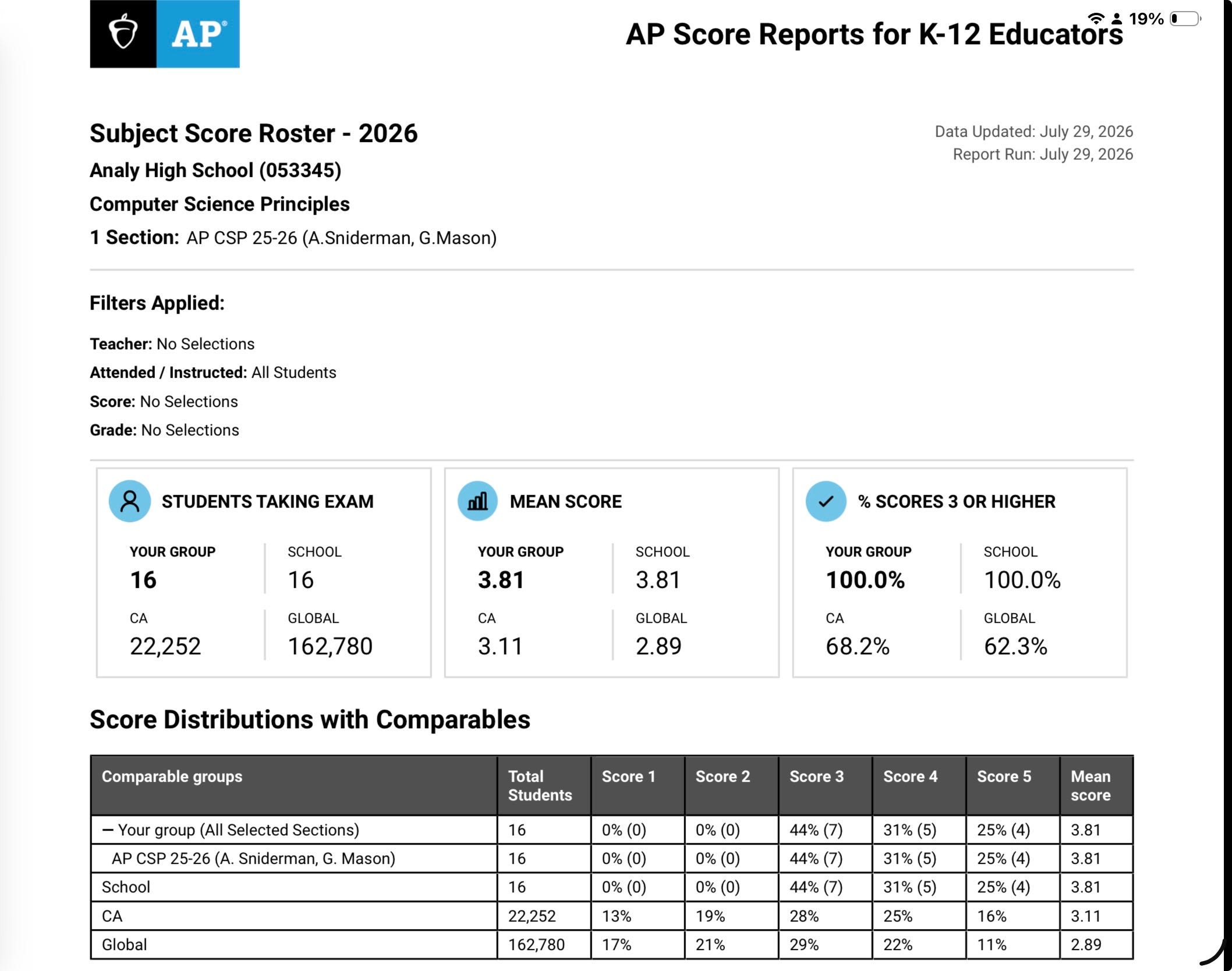
That took a two hour phone call with the College Board including an intervention from the school’s AP admin as well as some kind of secret code handshake with the principal.
CYOA dude is my favorite kid, and was from the moment you described him to me.
And kids need adults who will meet them where they are. Sounds like you did that in spades!