

Building a website is just three things: design, copy (the words) and a bit of tech.
Design is the most fun, including the structure of the pages, visuals— branding, colors, fonts — and how a user navigates the whole thing.
Everything is optimized around what you want the user to do once they get there, which is invariably: CLICK THIS THING! Be it a contact form, a purchase, a subscription.
You get just 50ms - 1/20th of a second to make a good first impression. That first snap judgement is where a visitor decides whether they will stay on the site.
Survive that first take, and you get maybe another ~10 seconds to catch their attention before they click away, never to return.
Next is copy. Writing for a website is different than writing say this newsletter—people don’t read websites, they skim. Reading in an F pattern, they’ll take in the first few lines before their eyes drop down the left edge and start to scroll.
The final element is the tech, which is the reason I got into this in the first place. After a lifetime building stuff with computers, I still need my fix and web stacks are an easy learning curve.
AI replaced the need for me to wade through technical docs and watch spammy YouTube videos. Here’s my setup: AI lives on the left monitor, keeping track of our conversation and analysis; the web code editor is on the right.
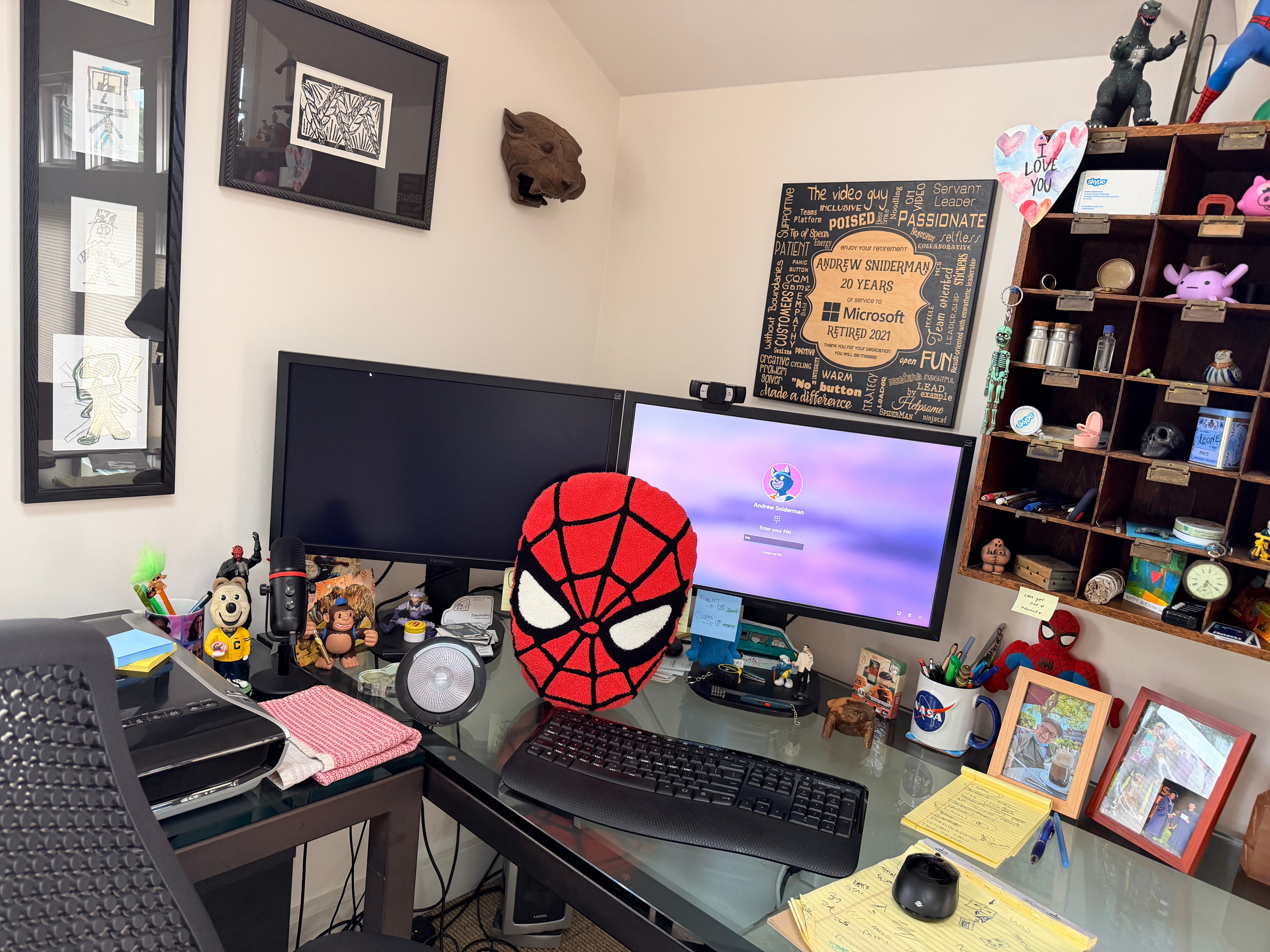
Recently, I was asked to build a website for a new book. And it’s a book I’m in, which is a wonderful surprise. My story is the final chapter. It’s the one I wrote about my Grandpa after we got back from LA cleaning out my mom’s storage locker.
I’ve been building websites for three years now, and in those same three years AI has gone from hallucinating chatbots to know-it-all large language models.
When I first started building websites, I joined a bunch of Wordpress forums 1 increasingly dominated by predictions of imminent AI doom. The days of the web developer were over, AI website builders would Terminate us all.
While it’s become increasingly helpful to build with AI, it hasn’t put me out of a job (yet).
But it has changed how I do the job.
My first go at AI was for visuals. It’s pretty good at generating the custom background images you see when you first visit a site.
Then, I started using AI for copy. Copy is my least favorite part, because it needs to come from the customer and they write 150% more than necessary. That leads to a ton of revisions which quickly becomes tedious. AI is well suited for simplifying edit passes.
Design is the final frontier. AI logos look bad. There’s a lot of craft and detail in making a great logo. I’ve made some progress with my graphical design skills, but here, AI is just one tool of many.
Back to the book: it’s an anthology of survivor stories from the Holocaust Story Project.
I know firsthand the weight and importance of each story, so the companion website had to thoughtfully present each one. Every story has a set of pictures and maps of each survivor’s journey.
My grandfather desperately traveled across western Europe searching for an exit visa, months after he’d put my mother on a Kindertransport train where he hoped she’d be safe in England. They took different paths out and my mother wouldn’t be reunited with her dad in the US until several years later.
The editor was passionate, and as we talked, I started coming up with ideas on how to visualize these families, their journeys and stories. The HSP mission is to speak in classrooms so kids can connect faceless history with real people.
The book—it’s called Inheritance of Memory—is written for teaching. It complements works like The Diary of a Young Girl 2 that are often used in High School. As a survivor anthology, the book reveals individual agency and incredible determination behind each escape.
To realize what was in my head, the site would have a lot of moving parts.
So, I tried a new AI design tool: Claude Design.
If you haven’t been hands on with AI much, there’s a misnomer that it’s POOF, magic. It’s an iterative process.
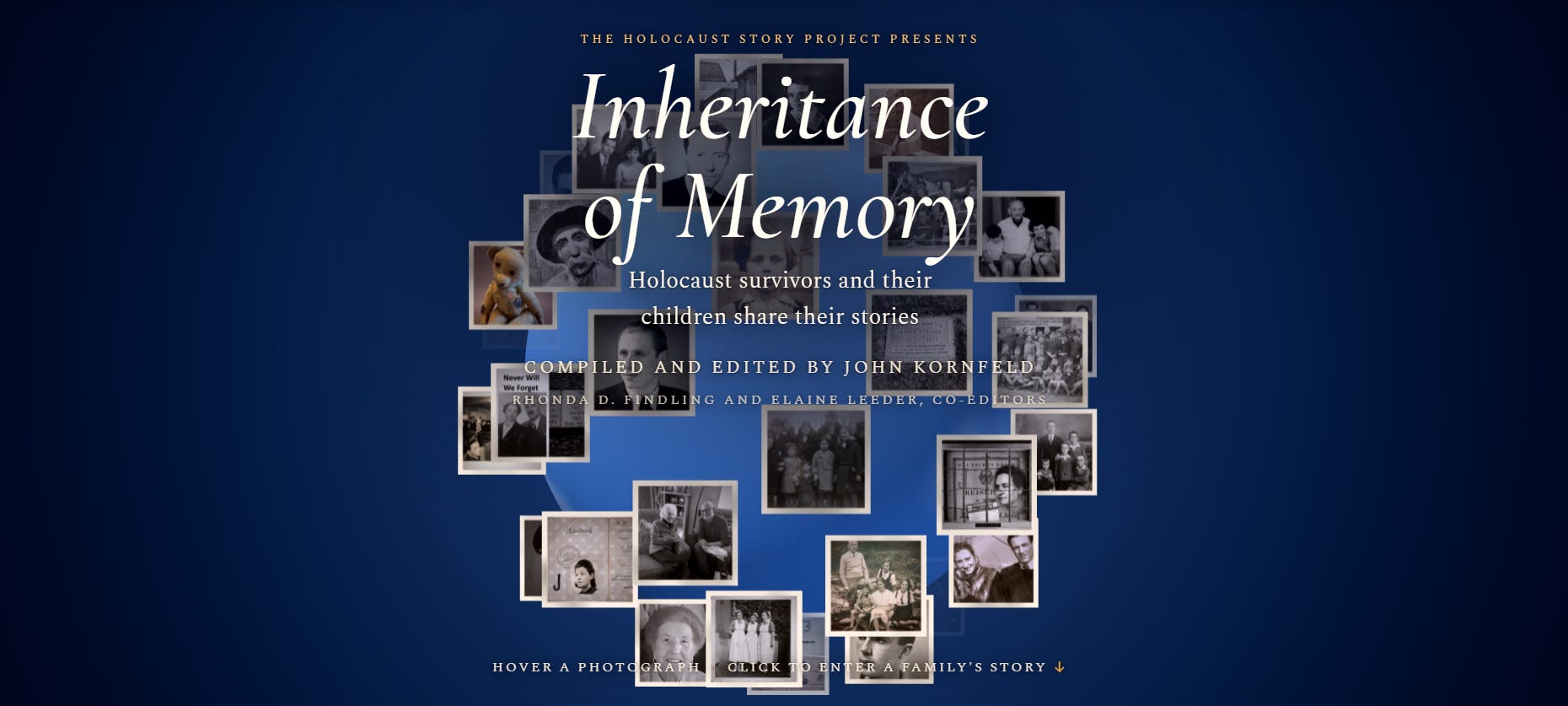
Claude and I went back-and-forth for a few days on the look and feel of the site, tweaking and reviewing mockups of key visuals like the landing page, which is a globe of pictures, each one an entry point to one of the sixteen stories. The journey maps are the other dynamic element that took awhile to get right.
Then there’s data. Without structure, a site may look pretty, but the first change will knock it over. Defining a schema across all 16 stories, including pictures and maps, is the spine of the site.
Claude Design was better than the last time I used it. We built tools to standardize the photos and the maps. My sister-in-law was visiting and I snapped a pic of her sky blue purse and that became the background of the landing page globe:
Once I was happy with the design, I brought the whole code package over to Claude Code to refine, document and deploy.
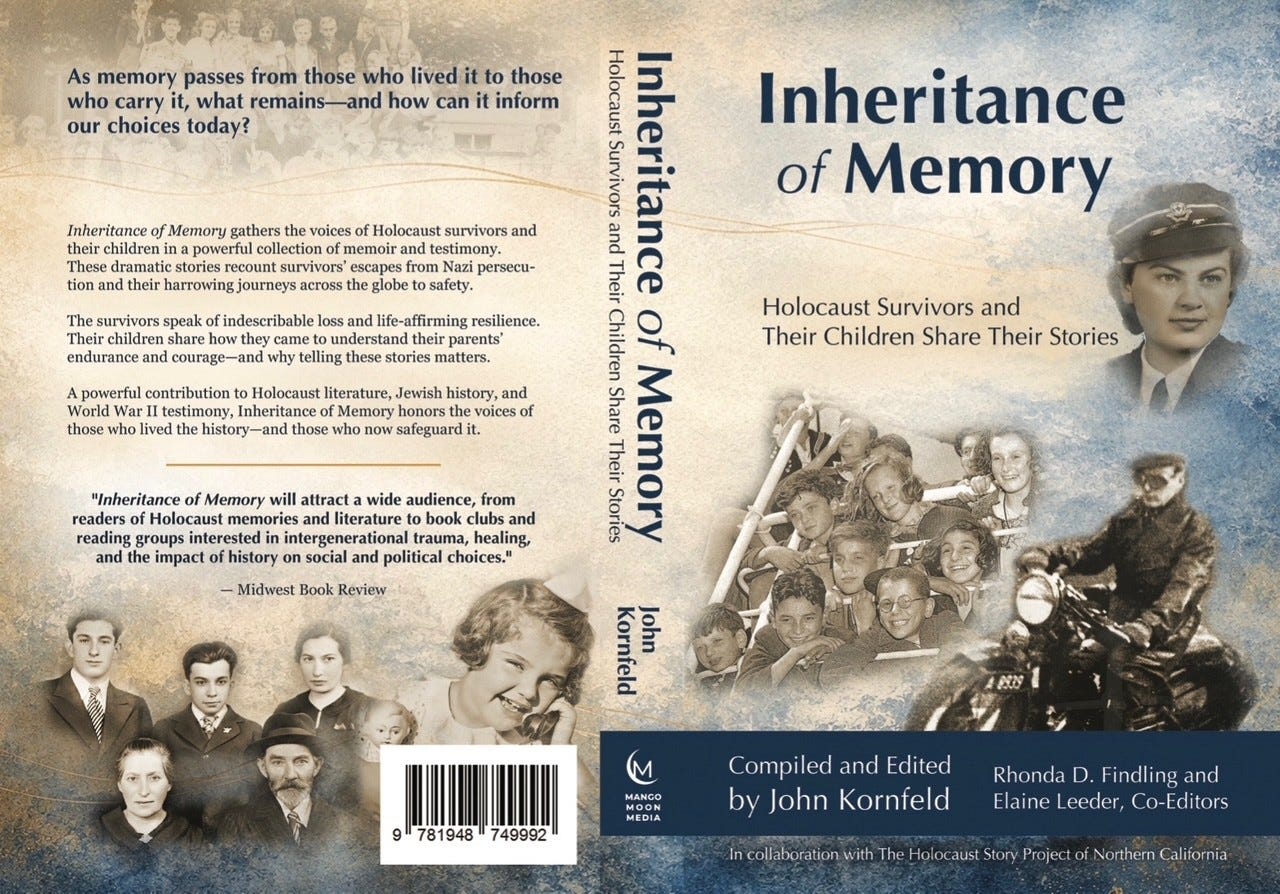
The preliminary release was missing heart— the actual stories. I needed 16 synopses or hooks as well as more info on the book itself. The book will be out in six weeks and I got an early version of the cover:
I also got a copy of the manuscript. As I started on the final set of revisions, Anthropic released a new model called Fable. Fable has been surrounded by controversy starting with an earlier model called Mythos.
I wrote about Mythos a few months ago. It was a good teaching moment for my HS kids— Mythos exposed security holes in thirty year old software the Internet is built on. Anthropic made a PR moment of how powerful (hence dangerous) Mythos was and didn’t release it publicly.
Two months later, Anthropic publicly releases Mythos with cybersecurity guardrails, calling it Fable. Three days later, the US Commerce Department shuts Fable down globally, declaring it a national security risk. Anthropic pulls the plug. 3
On June 30, after a few more weeks of drama, Anthropic re-releases Fable. While I’d been amused from afar by all the drama, I’d never had much reason to use Fable. The latest models hadn’t impressed me much.
A key missing component was copy — each story needed a tight synopsis that drew readers in, leaving them curious to keep reading.
I wasn’t writing 16 synopses and neither was the editor, so we agreed to give Fable a first shot. I gave Fable a stern talking-to regarding voice guidelines including the book summary and writing samples to reinforce tone, and then I fed it all 350 pages of the manuscript.
Fable did good. I also added a bunch of additional features including my favorite — a lightbox viewer of raw photos on each family page. The collection of photos is extraordinary. Fable filled in the remaining blanks, including creating lesson plans for teachers.
Thanks for reading this far. Check out the website, and if I did my job right you’ll put your email into the box and click.
If you do that, I’ll send you an email in six weeks with how to buy the book.
https://inheritanceofmemory.com
Most websites on the internet are built with Wordpress.
AKA The Diary of Anne Frank
Isn’t it nice to know such a plug exists?
Can’t wait to read the book. Suzie
Sharing with my wife, who actually works in a related industry. Small world.