

By the time I was 15, I’d serially read every Ian Fleming James Bond book from Casino Royale to The Man with the Golden Gun.
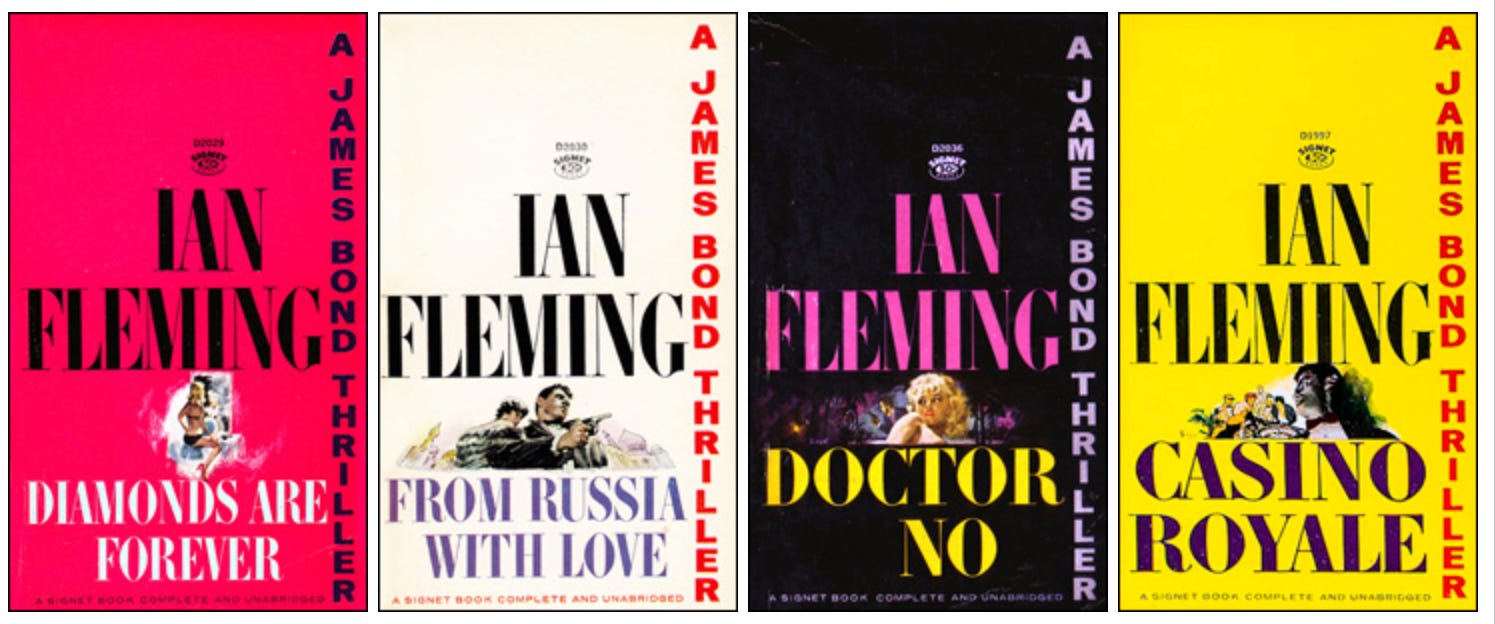
Bond was a singular character and I knew all his habits: push ups before breakfast, black coffee, never Tea, Turkish blend cigarettes (skipped that habit), Martinis (would become my cocktail of choice) and of course the Walther PPK tucked away in a shoulder holster.
Forty some odd years later as AI emerged, I noticed Jensen Huang, CEO and founder of NVIDIA. Jensen became Wall Street (and Trump’s) darling as NVIDIA’s stock soared, making it the most valuable company in the world, and Jensen a very, very rich man.1
NVIDIA makes chips: Graphics Processing Units or GPUS, originally created for gaming. But Jensen’s genius stroke was software. NVIDIA built a software layer called CUDA, that lets customers program GPUs for things like AI Model training. This busted open their market beyond graphics and gaming, and — double bonus — created a moat protecting their virtual monopoly on feeding all the AIs.
It took over ten years for CUDA to pickup, and during that time, Jensen was but a minor character in the techniverse; NVIDIA stock was a dog. Their rapid ascendance with AI has made NVIDIA, and by proxy Jensen, arguably the main character in AI, earned after years of hard fought engineering excellence and leadership.
In his first AI publicity tour, Jensen started building his mythology and he would recount how hard it had been to build NVIDIA, and if he’d known just how hard it was going to be — he probably wouldn’t have done it.
We were all intrigued. Who was this guy and how had he — seemingly single-handedly — built the engine for AI? Books were written:
The Nvidia Way: Jensen Huang and the Making of a Tech Giant by Tae Kim, published December 2024
The Thinking Machine: Jensen Huang, Nvidia, and the World’s Most Coveted Microchip by Stephen Witt, published April 2025
As the titular character, Jensen’s habits include: workaholic, wearing odd leather jackets, quick to anger and foundational paranoia that NVIDIA will fail. Jensen’s tough background as a Taiwanese immigrant coming to the US at age 9, stuck in a boarding school in rural Kentucky is a central part of his origin story as is him working at Denny’s where he also came up with the idea for NVIDIA.
Business admirers characterize him as ruthless: ‘a knife fighter.’
By the time I was 15, I’d also seen all the Bond films and Sean Connery was everything fifteen year old me wanted to be.
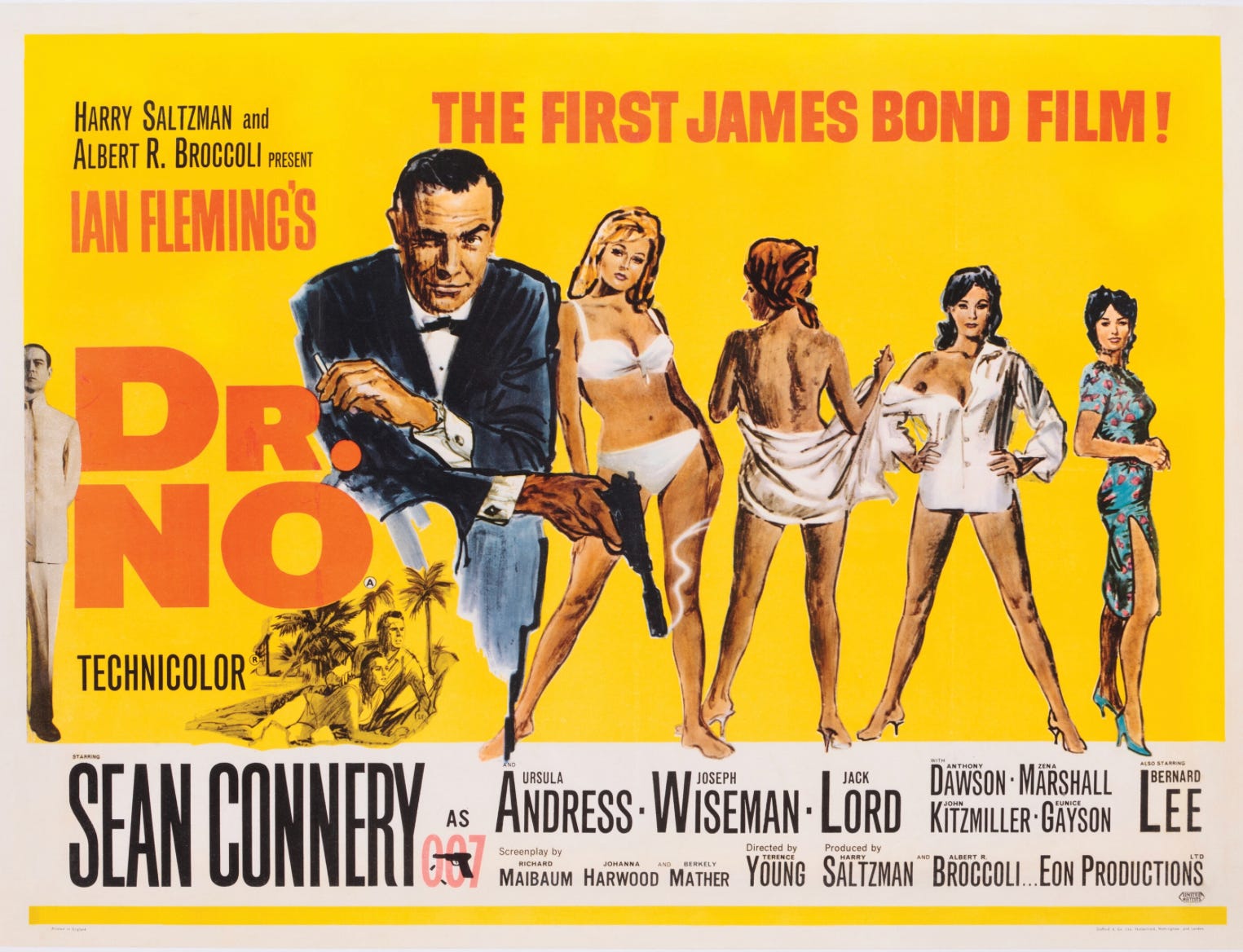
While I was busy watching every Bond movie, Jensen — only a few years older than me — was a Freshman at Oregon State, and at 17 — the youngest kid in his Electrical Engineering class.
I barely passed the one Electrical Engineering class I took. Jensen would take night classes to get a Masters in EE from Stanford, founding NVIDIA a year later.
Jensen’s singular focus and academic prowess served him better (arguably) than my movie mania, but I wonder if he saw a few Bond movies and was just a little bit in love with Sean Connery too?
Had Jensen paid a wee bit more attention to James Bond than electrical engineering, he would’ve avoided the self destructive behavior that became his downfall this week.


While talk of Chinese Spies swirled in October, the dam burst Sunday when Jensen — who up to this point had fervently denied everything — fessed up to his poor choices:
I owe my family and all of you an apology.
I was unfaithful to my wife. My actions hurt her and our children. There is no excuse for what I did. I am deeply sorry.
Throughout my life, my family has given me love and support. They deserve my honesty and loyalty. Instead, I let them down and damaged the life we built together. I take full responsibility for what I did and the hurt I caused, and I accept the criticism that comes with it.
…
You can read the whole thing on NVIDIA’s website and of course someone ran it through Pangram and found it was mostly AI generated.
Another piece of the Jensen myth was how he met his wife Lori in that same Electrical Engineering class. Lori was two years older than Jensen at 19, and he promised her all A’s if she’d study with him. They married right after graduation when Jensen was 21. They’ve been married over 40 years.
Lori’s part in Jensen’s success is another block holding up the Jensen myth; one that’s now crumbled to dust. Jensen called meeting Lori “the most important, single event of OSU, and of my life.”
In 2014 Jensen gave a bunch of money to his Alma Mater Oregon State, and his advice was:
It’s good to have someone in your life who unconditionally believes in you, who believes you’re doing your best … You need people like that, and Lori’s always been that person for me — ever since I was 18, she was there believing in me and knowing I could do it. Even when I had self-doubts, she didn’t.
Yet, now we know all about Alice Huang:

When I wasn’t reading or watching Bond, my favorite HS history teacher beat this phrase into us:
Power corrupts and absolute power corrupts absolutely.
It’s from an 1887 letter from Lord Acton to Bishop Creighton and the next line is:
Great men are almost always bad men.
Jensen rose to become a superstar. A Trump whisperer. A subject of books and podcasts and adoration. He was exceptionally popular in Taiwan, where his story began. They called it Jensanity, and he was mobbed by adoring fans and press at every visit.
Hubris.
Taiwan was also where he made all his chips at the world’s premier semiconductor fab: Taiwan Semiconductor Manufacturing Company (TSMC). Without early support from TSMC and their founder Morris Chang, NVIDIA would not have made it.
Taiwan is also the country — just 80 miles from China — constantly under threat from the Chinese Communist Party.
So in Taiwan this hits the hardest — Jensen was truly sleeping with the enemy. Jensen confessed to the affair but says he didn’t know she was a spy. Hubris got the best of him. He fell straight into the honeypot.
After Dr. No came From Russia with Love and if you haven’t seen it, well you should. Bond knows he’s going into enemy territory when Russian agent Tatiana Romanova tantalizes him by offering Russia’s secret cryptographic machine.
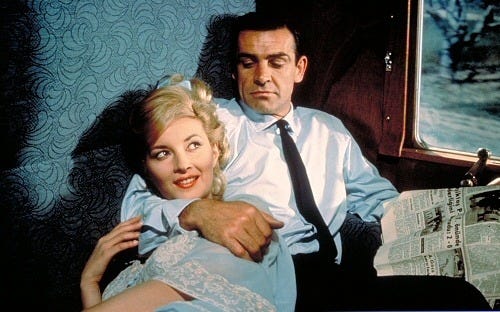
Bond knows it’s a trap, but he goes anyway, because the prize is too valuable. Jensen should’ve watched more Bond movies.
Jensen should’ve known.
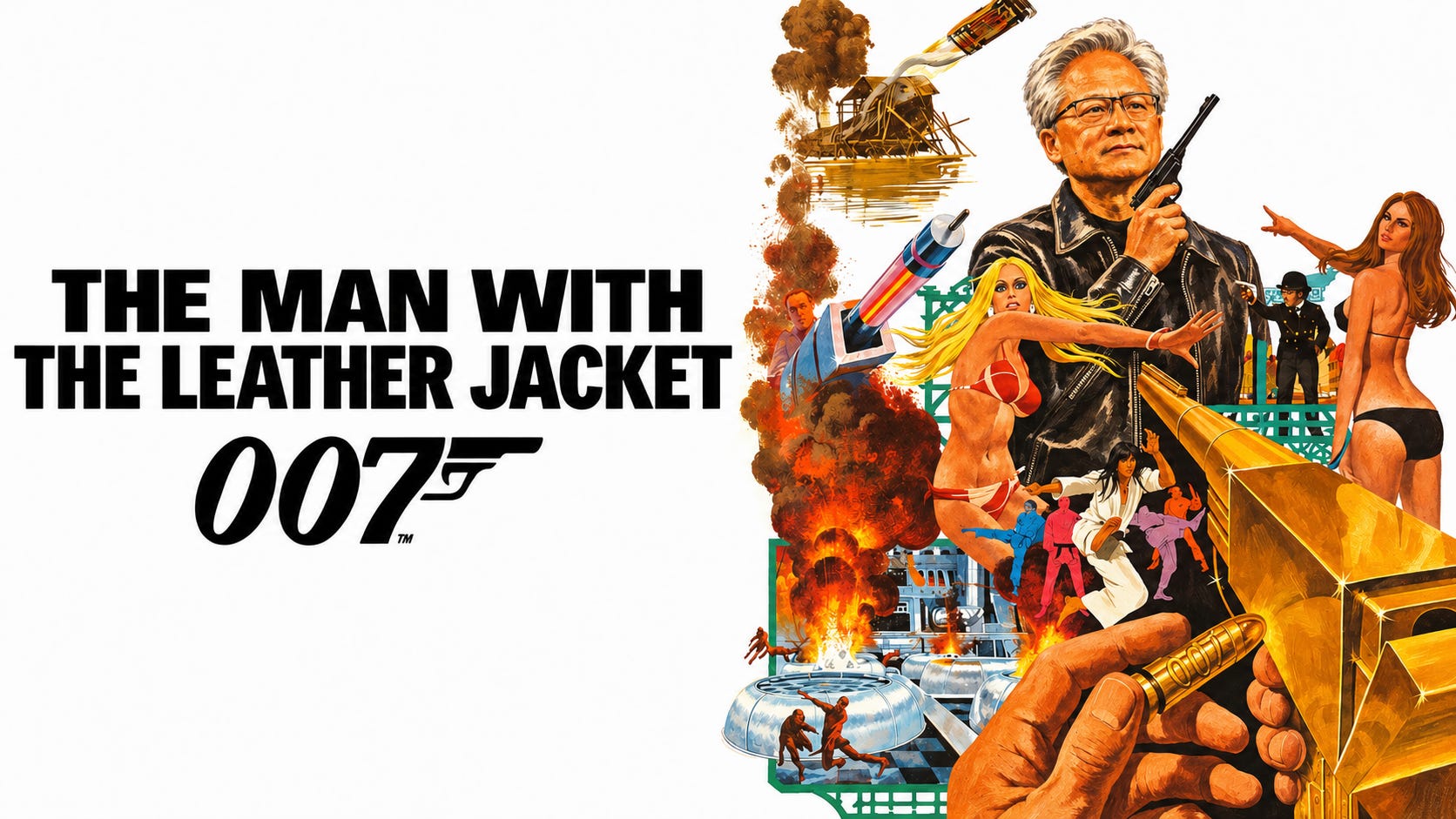
I meant for this story to end here, but when I woke up this morning, Jensen had resigned. Ironically it’s not the faraway foreign spy that brought him down but a second affair much closer to home — with one of his (60-odd) direct reports.
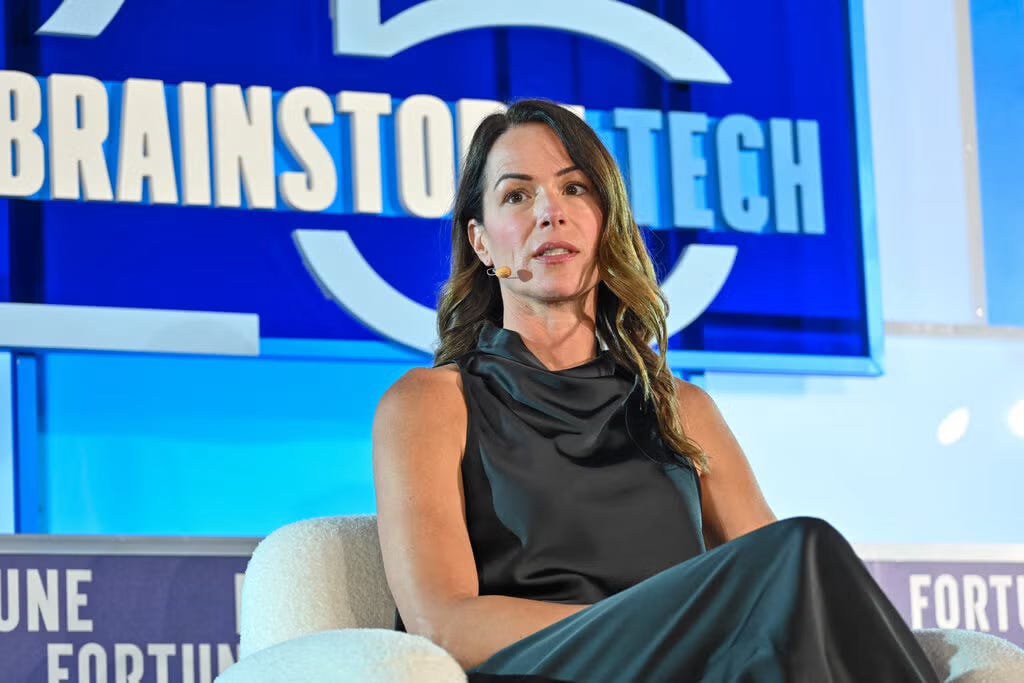
Kimberly’s life has changed:
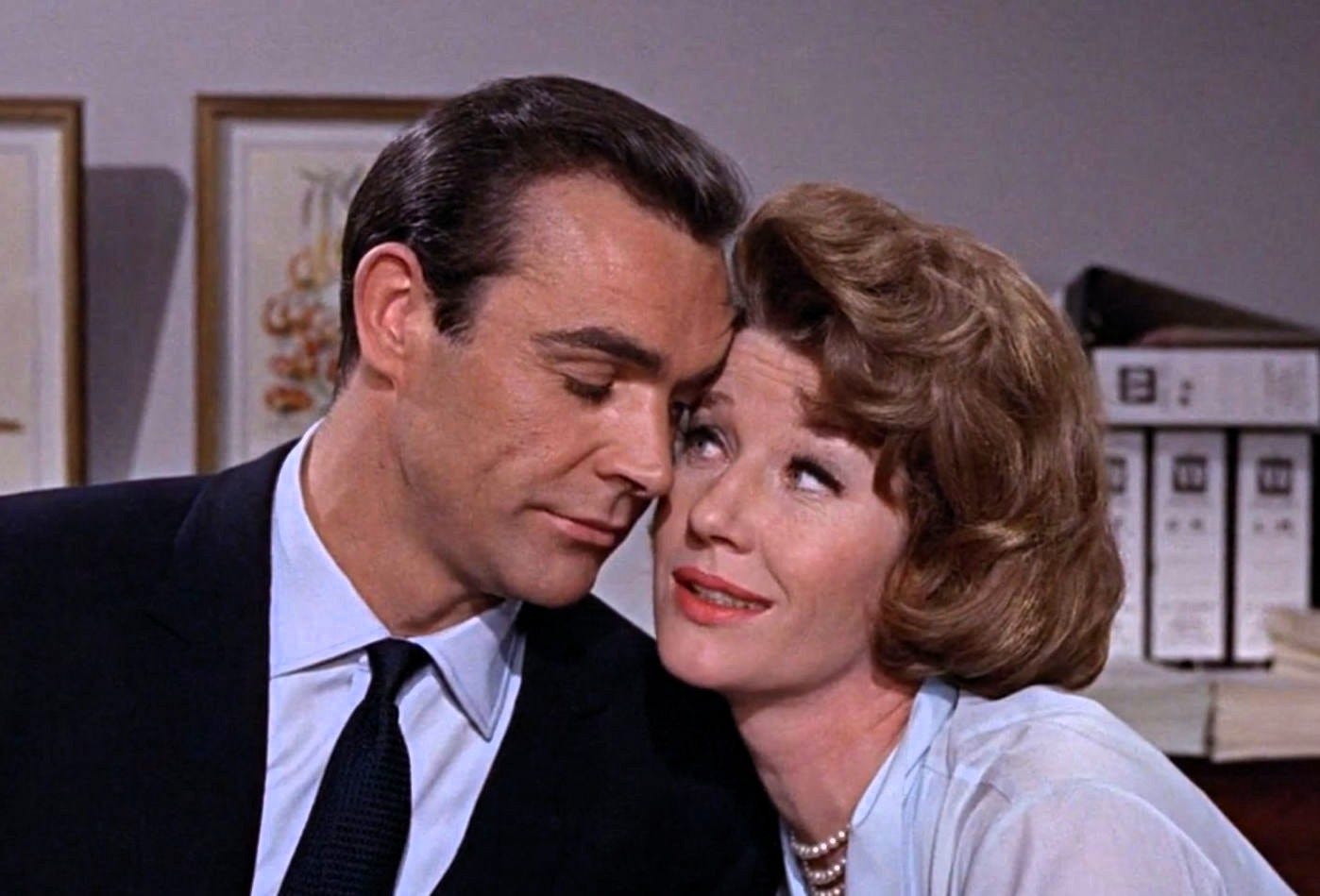
Bond knew better. Every book (and movie) features a scene with Moneypenny and some playful banter, but the business of spying kept it at just that.
Like 150 Billion dollars rich, although maybe 1/2 of that soon :/
My favorite exchange from “From Russia With Love.”
Bond: “You’re a very pretty girl.”
Tatiana: “No, I’m not. My mouth’s too big.”
Bond: “Not for me it isn’t."